Home Blog Page 4

2024 F3T Behind The Lens: What Lies Above

The 2024 F3T Schedule is set and tickets are NOW AVAILABLE to purchase  – click HERE to find a local showing and purchase tickets.

For the next film in the 2024 F3T Behind The Lens series we turn to the Yucatan for the film, “What Lies Above.” Some fantasize about catching a permit, and some fantasize about dry fly fishing… so, why not combine the two? The ultimate fantasy of catching permit on dries comes alive with “What Lies Above.” To learn more about what went into the creation of this film and what went on behind the scenes moments, we caught up with Simon Kay from Fly Fishing Nation.

Flylords: What was the original inspiration behind this film?

Simon: Believe it or not, going permit fishing in Mexico wasn’t actually a part of the original plan. My family and I were traveling and we ended up having to detour our travels through Mexico after running into Visa issues. Chase from Xcalak on the Fly reached out and offered for us to stay at the lodge as we traveled through the area. While I was there, I ended up casually catching my first permit (and not just any old permit) – a permit on a floating crab! That moment would be ingrained in my brain forever.

After my amazing experience in Xcalak, Chase and I began talking about trip number two. This time, the camera gear came along, and we did our best to film the experience that I loved so much on my first visit.

Flylords: Catching a permit is hard, but catching one on a floating crab is even harder. Getting that on film has to be nearly impossible. How did you get that shot?

Simon: I failed many times. The final shot is the result of multiple trips and many interactions with permit. It involved hard work by everyone: the guide, the angler, and the videographer. The angler probably hooked fifteen fish, two of them were captured semi-well on film, and one of them ended up being the final shot. Some eats happened just outside of frame, some had small waves that blocked the shot, some were out of focus. The final shot is still not perfect in my mind, but you could spend a lifetime trying to perfect that shot.

Flylords: What do you hope that viewers take away from this film?

Simon: My hope is that this film will give viewers a glimpse into this unique fishery in Xcalak. Catching a permit on a floating crab is an incredibly unique occurrence that deserves its own spotlight, but there’s more to this story than that. The reason these crabs are floating in the first place is because of the sargassum algae, and the sargassum is wrecking havoc on coastal waters in these areas. My hope is that viewers will pick up on the beauty and excitement in the film, as well as the nuance and complexity of the situation.

Flylords: What is your greatest memory during the creation of the film that had nothing to do with fishing?

Simon: The lodge has a deck that we referred to as “The deck of destiny.” After fishing and filming all day, we would get back to the lodge, have some fresh margaritas, play corn hole, play with the dogs (Captain and Fern), and eat the best empanadas I’ve ever had. The time spent with the guides and the locals on that deck were some of the best moments.

Flylords: What camera equipment was used for this film?

Simon: We used Lumix cameras and the Free Fly Wave for the slow motion shots.

Flylords: What is unique about Xcalak, Mexico 

Simon: Much of coastal Mexico is commercialized. It’s overpopulated, touristy, and has hotel frontage all the way down the coast. In contrast to those places, Xcalak feels almost untouched. You feel like you are stepping into a place from the past; it’s a place that feels like an adventure. It has either not yet been discovered, or it has been managed in a way to support the sustainability of the area. 

Flylords: What’s the next adventure on your mind?

Simon: I just got back from filling at the Cosmo Atoll in the Seychelles. So, there will be a film coming down the line from that trip. We also have another film based in Italy coming soon. Stay tuned for an amazing story about Italian artists and the management of a special river.

Flylords: Simon, thanks for taking the time! Any parting words?

Simon: I would like to give a special thanks to my partner, Susan, for letting me spend way too much time on the film and being away from family; the sponsors of the film Sage and Simms; Fly Fishing Nation Productions; all of the guides behind the scenes. Thank you all for supporting this film!

We personally want to thank Simon for his time for the interview. If you are interested in following Simon, his adventures on the water, and his epic shots, be sure to follow him on Instagram at @si_onthefly. Be sure to check out the Fly Fishing Film Tour (F3T) @flyfishingfilmtour

Interested in following the F3T Film Tour? The 2024 F3T Schedule is set and tickets are NOW AVAILABLE to purchase  – click HERE to find a local showing and purchase tickets.

Top 5 Winter Fly Fishing Tips

As winter is now in full swing, we still have a hard time staying off the water. Winter fly fishing is a great way to have a section of water all to yourself–that is if you are willing to brave the conditions. If you are interested in getting out on the water this winter, we have put together our top 5 winter fly fishing tips with the help of our friends at Grundens

Man in a river winter fly fishing.

TIP 1: Fish Small (Very Small) Flies

In the winter, we don’t experience the big bug hatches like we would see in warmer months with salmonfly, drakes, trico, caddis, etc. The main food source for trout in the winter will be small midges and the occasional BWO hatch, which usually happens on cloudy winter days. Some of my favorite days of winter fishing are when you get caught in a BWO hatch in the snow. It can be pretty epic and downright beautiful. 

Most of the flies I am throwing in the heart of winter are size 20 and smaller midge patterns. These patterns will vary based on your local fishery, so make sure to go to your local fly shop to dial in which specific patterns the fish are keying in on. Some of my favorites that have worked across the country are the classic zebra midge, RS2, black beauties, and the rojo midge

Tip 2: Staying Warm Under Your Waders

This tip is something that has been a game changer to staying comfortable when winter fishing (and one we’ve all learned the hard…or cold…way). If your under-wader pants don’t have a loop for you to throw around your heel or an elastic cuff to keep your pants from riding up when you put your waders on, like the Grundens Bering Sea Pant, try tucking your under-wader pants into your socks. This has the added benefit of helping to trap warmth. That being said, do yourself a favor and pick up the Grundens Bering Sea Pant–you’ll thank us later for staying warm and spending more time out fishing than warming up in the truck!

When sliding on my Grundens Boundary Waders, I want to ensure that my body is fully covered when I step into the cold water in the winter. While you will stay completely dry in your waders, if there is a gap between your sweatpants and socks, you will feel that cold water pressed against the gore-tex. 

Tip 3: Staying Safe

This tip is important year-round! WEAR A WADING BELT! I don’t think I could shout that louder. Not only does a wading belt help trap heat under your waders, but it is the most important safety feature on any pair of waders. The Grundens Boundary Waders come with a comfortable wading belt out of the box. Make sure to have the belt snug around your waist so that if you fall in the cold winter water, your waders don’t fill up. 

Tip 4: Chapstick

Yup, you heard that right! Chapstick is one of my key pieces of gear that I have with me when I am winter fly fishing. If you are fishing in below-freezing temps, the guides of your fly rod will start to ice up, making it hard to cast. By adding chapstick to your guides, it will help to protect against ice build up. 

Other products that work to combat frozen guides are Payette Paste from Loon, Vaseline, Mucilin, or even Pledge

Tip 5: Bring a Hand Towel 

Since we know you will be catching fish left and right, we wanted to share a tip for after you have practiced safe fish handling. Once your hands are wet to release a fish safely, you need something to dry them off. I always carry a small hand towel in my waders during the colder months. You can pick one of these up from any of your local stores, Target, Walmart, or a hardware store; you get the point. They even make these hand towels with clips to attach to waders or your bag for easy access. Staying dry will keep you out on the water longer and keep your hands from freezing. 

What are some of the winter fly fishing tips you always use on the water? Let us know below!

If you are looking for a new pair of waders this winter, check out Grundens Boundary Wader Line! They come in your usual stockingfoot wader as well as a zip fronts! Check them out HERE!

In Memory of Cathy Beck

0

It is with profound sadness the passing of Cathy Beck, beloved wife, and esteemed fly fishing expert. Cathy passed away last week, leaving behind a legacy of passion, dedication, and expertise in the world of fly fishing.

Throughout her journey, she became a respected figure in the fly fishing community, known for her unparalleled skills, dedication, and infectious enthusiasm for the sport.

Cathy resided in northeastern Pennsylvania, in the small town of Benton with her husband Barry. At home, they offered fly fishing programs designed for 1-10 people and had four guides who rounded their service. In addition to their guide service, Cathy traveled with Barry around the world, shooting photos for Frontiers–the world’s largest bird hunting, safari, and fly fishing travel agency. Both Cathy and Barry hosted trips for many years on a schedule to different lodges and destinations all over the world. 

Barry and Cathy Beck with former President Jimmy Carter

Beyond her professional achievements, Cathy will be remembered for her kindness, warmth, and unwavering love for her family. Cathy’s passing leaves a profound void in the fly fishing community, but her legacy will endure through the lives she touched and the passion for fly fishing that she instilled in others.

No announcements have been made regarding services or memorials. To read more, be sure to visit Fly Fisherman Magazine and read this story by Ross Purnell. Learn more about Barry and Cathy HERE

Check out the articles below:

After You’ve Gone: Full Film Now Live

Flylords Top Gear Picks: The Denver Fly Show


This River Valley

0

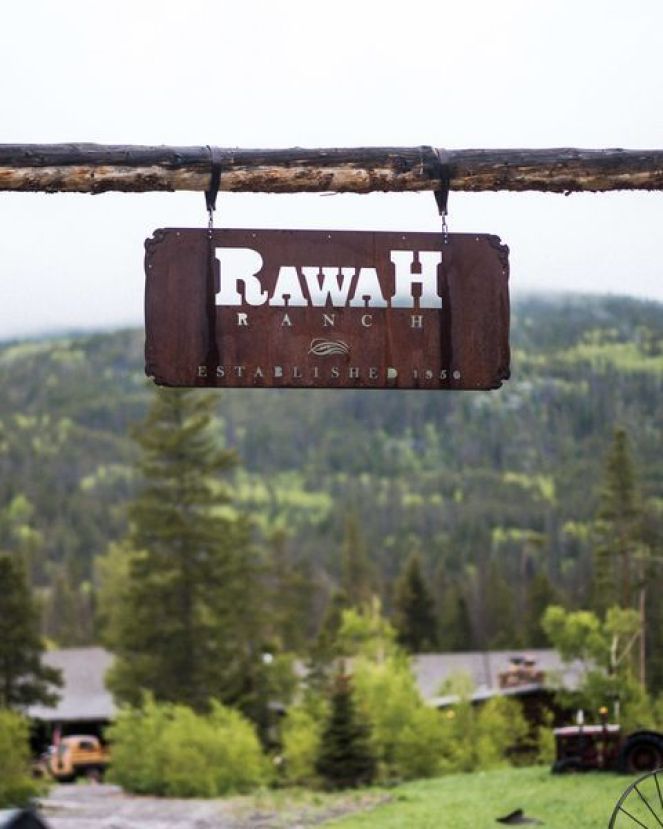
In 2022, our team had the privilege to visit the one-of-a-kind “Rawah Ranch,” a quaint guest ranch nestled in the hills of Northern Colorado’s Rawah Mountains, just south of the Wyoming border. To get there, you ride a long and winding dirt road that tosses up small fragments of mud and clay as you slowly enter into a place that’s just as wild as it was 200 years ago. During this journey, you can expect to encounter a vast assortment of wildlife,  ranging from spry Western Hares and chipmunks to traipsing bull moose, Rocky Mountain Elk, and Mule Deer that populate the vast surrounding alpine forests.

Upon pulling through the unmistakable “Rawah Ranch” Gateway, you’re immediately treated by the sights and smells of the American West: Wood smoke billowing through the lodge chimney offers a warm welcome to weary travelers, the rumbling of thunderstorms gather in the distance, the whinny of horses in nearby pastures all provides a taste of the true country yet to be encountered.

It’s this proper first impression that will establish the scene about to unfold—one of a great escape. Not just from the physical setting that people from all over the world travel to, but also a mental release. In this river valley, time slows down, and the torrent of seconds, minutes, and hours that constitute the typical hustle and bustle is forced to a slow drip.

It’s a celebration of this freedom that’s embodied in the newest short from Rawah Ranch: “This River Valley.” Through the lens of the people who dedicate their heart and soul to the operation of this little ranch in the West, the answer to why a place like this is so special in the first place becomes far more discernible. For most of the staff, it’s an escape of their own – a place to step back in time and trade in their truck seat for a saddle. For some, it’s a chance to share a place they call home with others who have never ventured this far from their own “home” in their lives.

It’s a place to learn, and a place to teach. Not just how to shoot a clay pigeon, or catch a trout on a fly – but how to let nature instill compassion and empathy. Rawah conveys this understanding of the world around us; It was here long before we came into it, and it will be here long after we leave. The wind that pushes through the mountains has no schedule, and the fish who occupy the rivers and lakes have no place to be. The only clock that matters is not one that needs to be wound, but the perpetual cycle of the sun rising and setting each day, decorating the hillsides with amber light, and the night sky with a glistening array of stars that can’t be found elsewhere.

The staff that occupies the grounds of Rawah Ranch embodies these natural cadences, working day in and day out to help translate these nuances to new guests each week as they explore this profound yet familiar world. Whether knee-deep in a free-flowing trout stream, atop the saddle of a well-trained horse, or secured within the confines of a cabin next to a crackling fire inside of a wood-burning stove, there is no end to the ways one can find oneself in this impregnable fortress of peace.

Interior of a guest Cabin at Rawah Ranch

Of course, there are times when comfort is desired, and guests can turn to the cozy interiors of the long-standing structures that occupy the property. Within the lodge, seasoned chefs prepare warm meals to thaw frigid bones, and fill not just bellies, but souls as well. After a meal, a glass of fine whiskey pairs well with a game of chess shared with friends, family, or strangers beside a roaring fire. The walls, decorated with photos and relics of the lodge’s antiquity are a constant reminder to its guests that they are not only experiencing a rich history, but are a part of making it.

Our team is grateful to have the chance to revisit Rawah this year; not only to yet again experience what has been described above, but to capture the passion of the people who make every day of its existence possible, in this short: “This River Valley”.

To read our full Lodge Spotlight feature on Rawah Ranch, you can find it Here.

To learn even more about Rawah Ranch and how you can book a stay, click HERE. You can also find Rawah on Instagram, HERE.

Thank you to the fine family we’ve made at Rawah for having us back. We hope to see you soon.

Lodge Spotlight: Rawah Ranch, Colorado


How to Tie: The Overachiever Midge

0

In this week’s “How to Tie” video feature, Cheech with Fly Fish Food ties a midge pattern to get us through the rest of winter, the Overachiever Midge. 

Learn About This Fly:

Difficulty: Easy

Midges are on the menu! Winter continues to linger on, and I’d be remised to not include another midge pattern to get us through these cold months. For those who have the luxury of living somewhere where you don’t have to wear ten layers to fish this time of year, we are jealous of you. The rest of us have a few more months of slower fishing until comfortability returns on the water, but no time should be wasted. If you are fishing through the cold, the Overachiever Midge is a fly you should carry with confidence in your winter box. 

Luckily, midge patterns keep stress low on the vise and this pattern is no exception. No matter the skill level, you’ll be able to tie up a batch in timely fashion and move onto the next pattern. Don’t be afraid to change thread color and size to match the specific midges you find on the water, as this will only increase your chances of productivity. Patterns that take minimal time to tie and get eaten should be worshipped, and the Overachiever Midge fits that profile. 

It should come as little surprise to many that this won’t be the anchor in your nymph rig. Rather, pair this with a heavier fly or split shot to get down to the proper depth and focus on slower pockets. We still have a few more months of staring at bobbers, but it’s important to remember warmer weather is on the horizon. Fish the Overachiever Midge with confidence and start getting excited for spring fishing.

Ingredients:

Now you know how to tie the Overachiever Midge!

Video and ingredients courtesy of Fly Fish Food.

TU’s “A Beautiful Mess” Highlights Restoration Work in the Southeast

Trout Unlimited’s most recent film, “A Beautiful Mess” highlights a partnership with the US Forest Service to improve brook trout habitat in southern Appalachia. Natural woody materials, i.e. downed trees, provide great habitat for many trout species and those ever so important bugs and macroinvertebrates. So, it only makes sense that strategically felling trees in a stream can improve trout populations!

Modern timber practices have largely taken over the symbiotic connection with forests and streams. So throughout TU’s Priority Watersheds and in close partnership with the USFS, restoration crews are jumpstarting that natural process by firing up the chainsaws, dropping natural woody debris, and building prime habitat.

Jeff Wright, the southern Appalachians project manager for Trout Unlimited, showcases how they’re partnering with the United States Forest Service to restore stream habitat with large wood components in the Cherokee National Forest in Tennessee. (Photographs by Sam Dean)

This work also has the added benefit of building climate resilience by providing some buffer from flooding events. Check out this great work today!

Flylords Top Gear Picks: The Denver Fly Show

A few weeks back, our team embarked from Basalt, Colorado, eager to attend the Denver Fly Fishing Show, the largest event of its kind worldwide. Amidst the bustling atmosphere, we were thrilled to reconnect with familiar faces, forge new connections within the industry, and explore the latest innovations in fly fishing.

Spanning three days and a multitude of booths, the show offered a vast array of products to discover. Our team took full advantage, delving into new offerings and diving deep into the specifications of each. Take a look below:

Ross Cimarron Reel

The Cimarron Reel stands out as the first American-made fly reel available for under $300. This affordable option doesn’t compromise on quality, featuring a top-tier drag system inspired by the renowned Animas reel. The reel boasts an anodized frame and spool, coupled with a premium textured cerakote drag knob, ensuring not only convenient adjustments but also remarkable durability against accidental drops and minor impacts.

In a past interview, we had the chance to interview Ross Reels Sales & Service Manager Brody West about the creation of this reel. West claimed, “this is the perfect reel for freshwater applications, suitable for anything from trout fishing in Western Colorado to bass fishing in Central Michigan. It is currently available in two sizes, 4/5 and 5/6, and comes in two colors: Matte Black and Matte Olive.” To learn more about the Cimarron, be sure to check out THIS ARTICLE

Abel Vise Base

Walking over to the Mayfly booth, we had the opportunity to examine the new and improved Dyna-King vises. However, one product that immediately caught our attention was the Abel Vise Base. Introduced for 2024, the Vise Base from Abel is undeniably as aesthetically pleasing as their renowned reel collection. Manufactured in Montrose, these vise bases are built to withstand the test of time, machined from high-quality aluminum and finished with Type II anodization. Available in five distinct colorways: Satin Black, Satin Deep Blue, Satin Olive, Satin Platinum, and Satin Slate, make sure to explore these vise bases below.

Guideline NOVA Reel

If you haven’t heard of Guideline yet, let me introduce you. Originally a Norwegian fly fishing brand, Guideline has been developing equipment since the early 90s. The brand has experienced substantial growth and expanded into international markets. During our time in Denver, we had the chance to speak with Max Kantor and learn more about Guideline’s new NOVA Reel, “Guideline has introduced their “Clean All The Way” movement, aimed at significantly reducing environmental impact. Following this initiative, the NOVA fly reel is constructed from recycled raw materials, representing an aluminum marvel committed to sustainability.” Available in light 4-6 weight options up to heavier saltwater applications in an 8-10 weight range, make sure to explore the new NOVA fly reel from Guideline.

Simms G4Z Wader

Handcrafted in Bozeman, Montana, the all-new G4Z Stockingfoot Wader utilizes the same award-winning fabric package as its predecessor. Built with a super durable, easy wearing 4-layer GORE-TEX® Pro Shell lower, the wader features a 3-layer GORE-TEX Pro Shell upper for maximum comfort, mobility, and breathability. While looking at the new G4Z from Simms, we noticed a few upgrades from the previous model. Two components that caught our eye was the new wading belt, as well as the new spacer mesh on the suspenders. Not only that, but the zipper was extended as well as the waterproof inner-zipper. From now until March 1st, the new G4Z is available exclusively in local fly shops. If you’re looking into a new set of dependable waders, be sure to check out the new Simms G4Z wader. Find a Simms Dealer near you HERE

Sage R8 Spey Rods

Released in early January, Sage introduced their R8 Spey collection. We got the chance to catch up with Alex Blouin about the technologies integrated into the R8 Spey. Blouin mentioned, “an effective Spey cast is dependent on efficient transfers of energy in each of its three key components: the Lift, Load, and Delivery. Utilizing our proprietary Revolution 8 graphite technology along the full length of double-handed rod tapers results in a blank with an unmatched ability to capture and carry power, plus exceptional tracking.” Available in 13 different models: Switch (7116-4, 8116-4), Lightweight Linespeed (5126-4, 6130-4), Max Versatility (7126-4, 7130-4, 7136-4, 8130-4, 9130-4), Most Powerful (8126-4, 8136-4, 9140-6, 10150-4).

Riversmith ShortCut with Truck Bed Mounts

The Riversmith River Quiver has been a cornerstone in rod transportation and travel. In early 2023, Riversmith introduced their ShortCut River Quiver with in-bed truck bed mounts through a “soft launch”. We had the opportunity to speak with Head of Product Jason Thomas from Riversmith to delve deeper into this product. Thomas asserted, “The ShortCut for truck beds has caught the attention of truck owners, providing them with a product that doesn’t require a truck topper or crossbars. Simply break your fly rod in half, utilize the signature Rod Chairs, and keep your rods rigged and ready to hit the water.” For more information about the River Quiver, especially the ShortCut designed for truck beds, click the “learn more” button!

Yakoda Convertible Utility Pack

The Convertible Utility Pack from Yakoda is a super-versatile bag designed to adapt to how you want to use it. It can be worn as a traditional hip pack, used as a sling, or converted into a chest pack. Inside, the large main compartment has room for the essentials—fly boxes, snacks, and an extra layer—as well as a pair of interior mesh pockets, a large clear pocket, and two additional compartments for stashing your phone, fishing license, and smaller accessories. Each of these pockets is designed to perfectly fit Yakoda products like the Utility Wallet and Slim Tin.

Fishpond Nomad Canyon Net

The Nomad series from Fishpond has revolutionized nets within the industry. Introduced in 2024, the Nomad Canyon Net is the ideal choice for anglers who refuse to compromise. With ample handle length, it securely fits in the net slot of slings, lumbar packs, and backpacks while maintaining a low profile for all-day excursions into the backcountry. The flared handle not only provides a secure grip but also minimizes accidental slippage when it matters most. As with all Nomad nets, the Canyon is expertly crafted using a combination of carbon fiber and fiberglass, resulting in an extremely lightweight and durable platform.

Skwala Backeddy Wader

Introducing the latest addition to the Skwala lineup: the Backeddy Wader. Drawing inspiration from its predecessors, the Backeddy combines the rugged durability of the RS Wader with a host of innovative features, seamlessly integrated into a sleek design. Gardner Imhoff shared some notable features, including the all-new suspender clips. Two years in development, these waders offer unique solutions to complex challenges: Magnetic shoulder yoke attachments prevent line-catching buckles while maintaining the ease of getting in and out that Skwala waders are known for. Additionally, removable knee pads provide comfort for stealthy maneuvers in close-quarters with wary trout. These waders are a premium offering, designed to meet your needs without compromise.

Dyna-King Barracuda Deluxe

Designed and relied upon by professional tiers globally, Dyna-King presents the Barracuda Deluxe vise, available in both pedestal and c-clamp configurations to accommodate any tier’s preference. Crafted in Montrose, this premium vise boasts high-grade brass knobs, stainless steel construction (except for the jaws, which are made of hardened tool steel), smooth rotation facilitated by precision ball bearings, effortless height adjustment, a 90° handle for rapid cranking, a handy material clip, notch lock cam, exceptional hook holding capability ranging from size 32 to 8/0, and includes a bobbin hanger for added convenience.

Special thanks to everyone involved at the Fly Fishing Show that took the time to give insight on these exciting new products! 

Check out the articles below:

The Fly Fishing Show 2024: A Complete Guide

AFFTA Confluence: Best Fly Fishing Products of ’23-24

California Governor Newsom Unveils Blueprint to Protect Salmon

0

Amidst a prolonged decline in salmon populations across California and the looming specter of extinction, Governor Gavin Newsom has introduced a comprehensive state plan designed to safeguard and revive this emblematic species in the face of intensified climate change effects, marked by hotter and drier conditions.

This strategy entails dismantling dams and enhancing migratory routes for salmon, revitalizing water flows in crucial aquatic pathways, modernizing hatcheries to bolster fish populations, and implementing additional measures to support the Chinook, coho, steelhead, and other migratory fish species.

To read the full story from CalMatters, be sure to click here. Header photo courtesy of Semantha Norris, CalMatters. Header photo: Juvenile chinook salmon collected for lab testing on the Klamath River. 

Check out the articles below:

Two of California’s Eel River Dams slated for Removal

California Governor Unveils Ambitious $60M Fishway Plan for Yuba River

The Best Saltwater Wading Boots

Wading boots are an essential part of fly fishing. They are responsible for getting you to and from where you are fishing, providing traction on slick surfaces, and support for your feet for a long day of fishing. Saltwater wading boots provide the same benefits and have an added level of protection against corrosive saltwater compared to regular wading boots. They aren’t glamorous and certainly don’t get the same love as rods and reels. Nonetheless, they are an essential piece of saltwater fishing gear that every angler uses. Taking the time to find the right footwear will have your feet thanking you in the long run. With that in mind, here are some of our favorite options, from fishing sand flats in the Bahamas to rock jetties in New England. 

What You Need to Know About Saltwater Wading Boots:

Saltwater wading boots endure more than most wading boots. Corrosive conditions, varying bottom types, and harsh UV rays mean the boot must be built to withstand these conditions for seasons to come. When looking for a good boot, it’s important to consider where you fish, how you fish, and the needs of your feet.

Where You Fish:

Depending on where you fish, your footwear needs may dramatically change. Anglers in the northeast face slick rock jetties and cold water. For these scenarios, a boot made to use with waders, with lots of traction and good ankle support, is a must. On the other end of the spectrum, tropical anglers should look for lightweight wet-wading boots that keep sand and debris away from their feet. Consider the conditions you’ll be facing before deciding on your saltwater wading boot.

How You Fish:

Determining the needs of how you fish is equally as important when deciding on your preferred boot. If you are a mobile angler who likes to cover water, finding lightweight boots with plenty of foot support is essential for long days on the water. In comparison, anglers who fish from a boat and occasionally get out to wade a flat should look into a sneaker style they can throw on and take up a minimal amount of space. 

Boot Fit and Features:

Every angler has different requirements for how a boot fits. It’s important to consider this when buying a saltwater wading boot. If you need good ankle support, look for boots with high and stiff sides for maximum support. On the other hand, anglers who like to cover water should look for lightweight boots. These often have less support but are less taxing when covering miles. Boot fit and feel vary across brands, so when possible, trying them on in person can help narrow down the best option. 

Best Overall: Orvis Approach Pro Hiker – Salt

buy now button

Features:

  • Lacing System: Traditional laces with a zippered gravel guard
  • Sole type: Michelin® Outsole that is non-marking 
  • Width: Size Range: 7-12

Pros:

  • Lightweight boot
  • Excellent ankle support
  • Soles offer great traction on a variety of surfaces

Cons:

  • Gravel guard traps shell bits when wading in mud

The Low Down: 

Orvis set out to design a boot capable of handling any warm water saltwater wade fishing with the Approach Pro Hiker Salt. After putting these to the test in the Bahamas, Orvis achieved this in a lightweight and comfortable package. Unlike neoprene flats booties, this boot is designed to offer maximum support. This is achieved with an inner boot extending over the ankle and an integrated outer gravel guard to keep sand away from your feet. This combination protects your feet (the one exception we found was in deep mud where shell fragments occasionally sneak in) and lets you cover serious water. To add to the package, Orvis partnered with the tire company Michelin to create a non-marking sole offering superior traction on wet and dry surfaces. TKTK

Best Budget: Frogg Toggs Saltshaker

buy now button

Features:

  • Lacing System: Traditional Laces
  • Sole type: Cleated outsole
  • Width: Size Range: 7-14

Pros:

  • Budget-friendly
  • Good ankle support
  • Anti-corrosive hardware for saltwater wading

Cons:

  • Outsole material is not the best for nonmarking

The Low Down: 

Flats fishing on a budget can be tricky, but choosing the right budget-friendly gear can get you on the water. Frogg Toggs Shaltshaker wading boot does precisely this. This entry-level wading boot is built for flats fishing with corrosion-resistant parts and ample support. The outsole’s aggressive tread pattern adds to its fishability opening access to sand, coral, rock, and more. When you’re not in the water, integrated side vents help drain excess water for a comfortable ride home. For anglers looking to explore their home flats on a budget, the Frogg Toggs Saltshaker offers an affordable solution to access flats.


Best Sneaker: Korkers All Axis Shoe

buy now button

Features:

  • Lacing System: Traditional Laces
  • Sole type: Interchangeable sole system
  • Width: Size Range: 8-14

Pros:

  • Extremely lightweight
  • Quick drying
  • Interchangeable sole system for a variety of conditions

Cons:

  • Lacks ankle support

The Low Down: 

Korkers is known for building innovative wading solutions, and the All Axis Shoe is no exception. Similar in looks to a regular sneaker, this shoe is made specifically for wet wading. It features mesh sides for ample air circulation and quick drying when not in the water. Like other Korkers, this show comes with the OmniTrax® interchangeable sole system. I prefer the Trailtrac sole for getting in and of boats and fishing various bottom types. If you find yourself fishing hard bottom, more frequently studded options are available. The combination of its lightweight design, quick drying features, and comfortable fit make this a great option to keep in the boat or truck. If you find a particular flat that looks good, slip them on, and you’re ready to wade.

Best Lightweight: Patagonia Forra

buy now button

Features:

  • Lacing System: Traditional Laces
  • Sole type: Vibram® Mars Sole
  • Width: Size Range: 5-14

Pros:

  • Incredibly lightweight
  • Ample ankle support
  • Wide range of size options

Cons:

  • Not designed specifically for saltwater anglers

The Low Down: 

Some boots aren’t designed specifically for saltwater but are right at home on a pristine flat. The Patagonia Forro is one of these. It was originally designed as an ultralight wading boot to be worn with waders but is the perfect solution as a wet wading boot. For starters, the pair weighs just 41 ounces, which is plenty light to wade around a flat all day. Freshwater boots often run into issues dealing with corrosive saltwater. Patagonia solved this with a unique lacing system that uses no metal. The result is a freshwater boot that can effectively fish saltwater with minimal maintenance. This boot also offers ample ankle support and traction for the slickest conditions. Since it is designed to be worn with waders, a good wet wading sock like the Simms Flyweight wading socks adds an extra level of comfort while keeping sand and other debris out of the boot.

Best for Waders: Simms FreeSalt Wading Boot

buy now button

Features:

  • Lacing System: Traditional Laces
  • Sole type: Non-marking outsole
  • Width: Size Range: 5-115

Pros:

  • Sturdy boot with plenty of support
  • Non-marking soles for use in boots
  • Built with corrosion-resistant materials for heavy saltwater use

Cons:

  • Not the best option for wet wading anglers

The Low Down: 

Some saltwater anglers find themselves in areas like the northeast with cold water and slick rock faces. In these scenarios, wet wading is not an option. Enter the Simms FreeSalt wading boot, a wading system designed specifically to be worn with waders in the salt. This boot is designed with slick conditions in mind. The non-marking soles offer plenty of traction and can be paired with studs for added grip. High, sturdy sides provide exceptional ankle support for rock jetties and rough wading conditions. Like any wading boot Simms makes, this is designed with comfort in mind. A dual-density EVA midsole offers plenty of cushion and support to fish all day with minimal fatigue. If you find yourself in an area where you’d wet wade, this boot can do that, too. Just make sure to add a wet wading sock to replace the neoprene booty found in waders.

Conclusion:

Saltwater anglers love their gear, and an essential piece of the kit is a quality wading boot. Whether fishing for striped bass in the surf or wading a flat for bonefish, every angler has their own saltwater needs. When looking for the best boot available, it’s crucial to consider where, how, and what you are fishing for. These conditions will ultimately determine the best boot for the job. Once you’ve narrowed your options, it never hurts to try them on when you can. The result will be a comfortable boot ready to tackle many seasons to come.

Orvis Releases New Helios Rods

Orvis, the family-owned and operated outdoor retailer that pioneered the modern fly rod, announces its next generation of Helios rods. The new Helios is four times more accurate than its ground-breaking predecessor the Helios 3 (H3) and is 25 percent stronger and 10 percent lighter in hand. The result is an intuitive fly rod that is defining a new era in fly rod manufacturing.

“Helios rods are what people think of when they think of Orvis innovation and leadership in fly fishing,” said Orvis President Simon Perkins. “We had something really special with the Helios 3, and we wanted to challenge ourselves with something better. Because the team in our Rod Shop is the best in the world, the result is revolutionary.”

Conceived and built by designers, engineers and rod builders in Manchester, Vermont, the new Helios is the most advanced fly rod in fishing and an unprecedented leap forward in the industry. The new rod displays dramatically increased hoop strength and a radical reduction in rod tip displacement when casting. The result is a rod that is able to deliver a cast that is measurably more accurate than the competition, tracking four times better than the industry-leading Helios 3. It is endorsed by Orvis’s vast network of professional guides and anglers many of whom part of the official testing process across seven countries.

“The new Helios is a reimagining of what’s possible in a fly rod and its ability to deliver the best experience for an angler. Four times more accurate than the industry-benchmark H3 is not hyperbole,” said Shawn Combs, director of fishing design and development. “We’ve built the tools to quantify what’s been measured historically in our industry through feel. This rod is where instinct and innovation meet. The result is the most accurate rod in the world. We know it when we cast it, and we see it in the data.”

The Helios is available in two distinct series, Distance (D) and Finesse (F). The D-Series offers increased line speed, lifting power and stored energy and is available in a variety of sizes, from 4-weight for small stream trout to 14-weight for billfish in saltwater. The F-Series features increased sensitivity optimized for delicate presentations and tippet protection and is available in sizes ranging from 2 weight to 8 weight.

“It’s fun to think of Orvis as a start-up in the 1850s and how Charles F. Orvis wanted to give someone the tool that would introduce them to the natural world in a way that would change their life,” said Perkins. “That’s really what this new generation of Helios does. It makes any angler their best. And when you’re your best, you want to get out and live for more unforgettable moments on the water.”

The Helios fly rod collection (MSRP $1098-$1198) is available online and at select independent fly shops and Orvis retail stores. To explore the Helios collection, please go to www.orvis.com/helios-fly-fishingrods

About Orvis

Founded in 1856, outdoor retailer Orvis is the trusted guide to the adventure and wonder in nature. Orvis operates more than 80 retail stores around the United States and maintains a network of over 400 dealers worldwide as a trusted source of discovery and adventure in the natural world through fly fishing, wingshooting and our connection with dogs. A purpose-led company, Orvis was one of the first to establish a corporate philanthropy program in the 1980s. The company commits 5% of pretax profits each year to ensuring the sustainable future of fly fishing, wingshooting, and the natural world for future generations. To learn more visit Orvis.com.

Check out the articles below: 

Orvis Releases “Follow the Water” Highlighting Everglades Conservation

Lodge Spotlight: Spring Creek Lodge