Home Blog Page 3

Reel of the Week: That One Buddy Who Always Forgets Waders

0

A note from Evan Martens:

“Ever look at the juicy run on the other side of the river, but you forgot your waders and felt hopeless? Well, those dusty garbage bags in the back seat might come into use. A man’s dedication met redneck ingenuity on a quick pit stop after work… it paid off with 4 brown trout to show for it!” – Evan Martens

Reel of the Week by Evan Martens, be sure to follow him on Instagram at @fishing4trophies

Check out the articles below: 

JADERSâ„¢ – The World’s First Waterproof Denim Waders

Gear Review: Grundens Boundary Wader Line

2024 F3T Behind the Lens: Rods, Rolls & Reality on the Soca

The 2024 F3T Schedule is set and tickets are NOW AVAILABLE to purchase  click HERE to find a local showing and purchase tickets.

For this F3T Behind the Lens profile, we venture across the Atlantic to Slovenia’s scenic Soca River. Rok Rozman, director and writer of Rods, Rolls & Reality on the So?a, spoke with Flylords to share the story behind the film. Fueled by local moonshine, this eclectic ensemble of paddlers-turned-anglers pursue hooksets and serenity on their beloved Soca River – all to shine light on the value of this unique Balkan fishery. Check out the full interview below.

Flylords: Tell us about yourself and your team.

Rok Rozman: My name is Rok, and I used to be an Olympic rower, but now I spend my time more wisely as a biologist, a whitewater kayaker, a fly fishing guide, and as the director of a river conservation NGO in Slovenia. I’m also a filmmaker/director. Film production is one of five fields of work we do with Leeway Collective, Institute for Promotion and Protection of Aquatic Ecosystems. All of our work is united in the mission to promote and protect our aquatic ecosystems. We started in 2014 as a small crew of whitewater kayakers and fly fishermen who wanted to share our adventures with broad audiences, but soon realized that the conventional ways of telling stories through the concept of a “hero” didn’t work for us. Instead, we decided to use an element of nature – most often a river – as the main character. 

Flylords: What inspired you to make this film?

Rok Rozman: We make films to either bring an important topic to the public or to provoke thought about topics we think are important. This time, we wanted to dissolve the myths that kayakers and anglers don’t get along, and that being a nature conservationist means belonging to a certain political party and/or having a PhD. In reality, it is the contrary – nature conservation was co-invented by hunters as they realized, as they spent more time outdoors, things were not right and (if they wanted to continue hunting and sustaining themselves and their families) something needed to be done. The same goes for fly fishermen and kayakers. Since I am both, I can tell you it’s the best combination out there: I know the spots, I can reach places no one else can, and I can learn about the fish from different perspectives. These experiences made me realize that these two communities don’t need to clash like they have historically here in Europe. There is enough space for both demographics as long as a tiny bit of mutual understanding can evolve into respect later. Also, since I am a fly fishing guide on my home river, the Soca, and am mostly guiding clients from far away countries, it felt right to take my kayaking friends out on the river and show them what goes on under the surface of this stunning river.


Flylords: Can you explain why the So?a River is important? 

Rok Rozman: The Soca River is a pearl amongst European rivers. It flows into the Adriatic Sea, similar to many Balkan rivers belonging to the Adriatic or Black Sea drainages, but what makes it special is its emerald color, the scenic landscape surrounding it, the famous endemic Marble Trout that reaches immense size here, and above all, its free-running and unchanged nature. The vast majority of Europe’s upper stretches of other iconic alpine rivers have been dammed or diverted in the last 60 years. Still, the Soca, due to successful resistance by locals, wars, and a ton of luck, retains its wild flow today. The river’s history, combined with its drop/pool character and gin-clear water, makes it world-famous for kayaking and fly fishing. 

In recent years, mass tourism and poor management practices have started taking their toll on the river and the valley. Luckily, there are still people standing up for the river and common sense to ensure this valley remains a paradise for good. The So?a River is an example of how threats to the river change over time and how what saved it (tourism) can become its demise if not regulated correctly. Above all, it proves that you can’t rely on governments, protected areas, etc., to provide protection, but solely on the determination of people with vision and spine.

Flylords: What stood out as the most memorable moment during the film’s production?

Rok Rozman: The luck we had with catching fish. When a camera is pointed at you, and you are expected to catch a fish, the fish usually don’t cooperate. But not this time; we had a great day fishing, and every crew member caught a fish, including the elusive Marble Trout. 

Flylords: What challenges did you encounter while creating this film?

Rok Rozman: Our production team specializes in making documentary films with loose plans or scripts; that’s why we like to go with the flow of things. Enriched with some locally distilled goods, the ideas were popping up at the right time, and the only challenge was picking out the best ones. The post-production phase was a different story, as it took a lot of office time and a technical approach. But in the end, that’s the combination required to deliver something meaningful.

Flylords: What message are you hoping to convey through this film? 

Rok Rozman: The simple message is that you will only understand something if you spend enough time exploring it. The same goes for a fellow human, a car engine, or a river. Once you understand it, you can form an opinion based on your experience. If the opinion is good, it might produce nice feelings, which can become ammo to defend what you’ve come to care about. In other words, the field of conservation should consist of people who understand the resource, spend time in it, and feel a part of it. Only then can we make decisions that make sense for both nature and humans. 

Flylords: Can you tell us more about the work of Leeway Collective and Balkan River Defence?

Rok Rozman: Leeway Collective manages Balkan River Defence as our most significant initiative; more or less, all of our other activities revolve around it. In 2015, we learned about plans to build 2,700 dams on the last wild European rivers in the Balkans, and we wanted to do something. In 2016, we organized what ended up being the biggest direct action for wild rivers in Europe called the Balkan Rivers Tour, which then evolved into Balkan River Defence, an initiative combining sports, science, partying, and common sense into a mixture that has been successful in keeping unnecessary dams away from pristine rivers. 

Balkan River Defence connects international conservation organizations with local groups, deters corrupt investments by bringing international media attention to hydro development and dam building, and invites people who understand rivers through experience (fly fishermen, kayakers, etc.) to join. You can learn more about the initiative in the video This is Balkan River Defence and more about the problem we are trying to solve in the documentary film The Undamaged


Flylords: As both a kayaker and a fly fisher, how would you describe your relationship with the river?

Rok Rozman: I started fishing when I was five and became a kayaker when I was 15. Since then, both ways of experiencing a river have become a regular part of my life. I can say that I understand the river better with each outing. It’s hard to imagine ever having to stop fishing or kayaking as they’re so interconnected. Every time I kayak, I look out for fish; every time I fish, I check possible lines for when I’m in a kayak. They complement and exclude each other; when the rivers are high and flooded and fly fishing is out of the question is when it’s prime kayaking, and vice versa. The combination of these passions has tied me to the river in all possible conditions, and while the water is my church, many others consider it their home. For these reasons, I will do just about anything to protect it. 

Flylords: The film is very playfully edited; where did your team draw inspiration? 

Rok Rozman: Mostly from the comic characters and local moonshine, but there are also some Wes Anderson frames in there, let’s be honest. 

Flylords: Is there anything else you’d like to include or anyone you’d like to acknowledge for their role in this project? 

Rok Rozman: As with most other things, this project results from many months of work. Even though it’s just a short and comical video, it includes some philosophies and experiences we acquired and developed through many years of fighting for these stunning rivers, shoulder to shoulder with many other organizations and initiatives, both big and small. So thanks to them, thanks to NRS for keeping us above the water, thanks to the Tolmin Fishing Club for cooperating with us and finding ways to protect the Marble Trout, and above all, big thanks to the old boys that saved the Soca River from being flooded with hydro dams in the 60s and 80s. If everything goes well, our next feature film will be about them!

Special thanks to Rok Rozman for taking the time for an interview. Be sure to follow along with Rok (@rok.flyfishing) and Balkan River Defence (@balkanriverdefence) on Instagram. Stay tuned for more iterations of the Fly Fishing Film Tour, F3T Behind the Lens series by clicking here.

Fly Fishing Slovenia: The Hidden Gem

2024 Behind the Lens: A Line in the Sand

Gear Review: Grundens Boundary Wader Line

In our latest Gear Review, we had the chance to test out the new Grundens Boundary Wader Line. Check out what we had to say below or in our first-ever YouTube Gear Review! 

Waders are a piece of gear almost every angler utilizes throughout the year. When you are looking for a pair of waders, whether it is your first pair or you are looking to upgrade or replace your existing pair, you have a plethora of options to look over. In 2023, Grundens launched their waders into the market with the Grundens Boundary Wader, Boundary Zip, and Women’s Boundary Wader. 

grundens boundary wader in new york

We have taken these waders all over the world since their release; here are our findings. 

Upon Opening:

Before we hit the water with the new Grundens Boundary Waders, we had to unpackage the surprise shipment we had received from Grundens before the release of the wader. One major thing I noticed when unboxing the waders and any Grundens gear is the sustainable packaging. Everything Grundens sends comes in packaging which is recyclable. It is a small detail that does not go unnoticed by me.  

grundens boundary wader in alaskan boat

When unboxing and holding the waders, I noticed they were exceptionally light. Not only weight, but the material felt light. The other noticeable detail out of the box was the straps on the waders. From Grundens’ website, they say this strap system drew inspiration from a climbing harness. 

Field Testing:

First Impressions

grundens boundary zip waders in newfoundland

When I first put the waders on, my thoughts during the unboxing about the waders being light were confirmed. The boundary waders definitely were lighter than the other normal waders I owned (excluding the specifically marketed lightweight waders from Simms and Orvis). It’s a good middle ground of having a 4 layer of Gore-Tex Pro on the lower half without feeling bound by having waders on. Another initial impression I had was that these waders do run big. So make sure to reference the sizing chart or try some pairs at your local fly shop before pulling the trigger on a size. Two things I did not like about the wader are the location of the fly patch on the Boundary Wader and the buckles for the suspension straps not being alternating male and female. 

Performance 

The first place we tested these waders was a steelhead mission in Southeast Alaska with Rick Matney. We spent a week chasing Rick throughout the Alaskan wilderness in search of steelhead. You can check out more about that trip in our film Chrome Chasers. Alaska was a great test for the waders’ performance. Hiking multiple miles daily in variable rain, snow, and sun conditions, I was comfortable the entire trip. The Gore-Tex Pro shed the sweat and moisture build-up inside the waders but kept the elements out. I was also able to traverse rocks, downed trees, and anything in the Alaskan wilderness with my full mobility. I will note that after testing the waders in many other environments, I need to focus on layering under my waders in colder climates to keep my legs warm. 

Durability

From Alaska, we took the waders to a handful of other destinations around the world. Newfoundland, striper fishing in the salt in the Northeast, Argentina, Oregon, and our home state of Colorado. As you can see in the YouTube gear review linked above, these waders have held up to every test we have put them up to. Durability might be the most important factor for me in a pair of waders. When most high-end waders on the market are retailing above $500, you want them to last. I was concerned about the durability, considering how light they are. However, they have been surprisingly durable, and I beat the s#*% out of my gear. 

Overall Specs and Features:

  • Body mapped GORE-TEX Pro Wader laminate- 4 layers in the lower body for abrasion resistance and 3 layers in the upper body for breathability.
  • Inspired by premium climbing harnesses, the fused contour suspension system moves with you through casting and rowing motions. Integrated D-Ring net holder and fully customizable fit for all day comfort.
  • Neoprene booties use two layers of Titanium-Alpha to increase heat retention back to the body up to 40%.
  • Double weave stretch woven gravel guards stay secure to the boot while wading, removing the need for a boot hook.
  • Anatomically placed seams reduce wear in critical areas.
  • Fleece lined chest pass through hand warmer pocket.
  • Drop in chest storage pocket designed for three large fly boxes and oversized tippet spools.
  • 2 inch elastic wading belt included.

Final Review:

Mobility:  

5 star rating

Durability: 

4 star rating 

Comfort: 

4 star rating

Warmth: 

3 stars

Price: 

4 star rating (MSRP: $599-$899)

Conclusion:

In conclusion, if I were to break down this entire review into a few bullets, they would be…

  • Surprisingly Durable 
  • Lots of Mobility
  • Lightweight and Breathable (great for warmer weather)

Click HERE to check out the full Grundens Boundary Wader line, or find them at your local fly shop. 

Video of the Week: Fishing with Jay and Eazy the Barber Part 2

In this Video of the Week, we catch up with the legend Jay Johnson in another episode of Fishing with Jay. This time Jay links up with Brandon “Eazy” Thompson who is a local barber, avid angler, hunter, & outdoorsman in New Symrna, Florida. He’d never fly-fished before meeting Jay. Let’s just say Jay saw an opportunity to introduce Eazy to fly fishing and the rest is history. Sit down and enjoy as Jay and Eazy chase down his first redfish. 

Check out more of BAJIO and Jay’s adventures here: @BAJIO Sunglasses 

Check out these other articles below! 

Video of the Week: A Thousand Casts presented by Yeti

Video of the Week: The Costa Marlin Fly Project

Video of the Week: Flats Fishing Paradise with Pelagic Pursuit

Fishing Tips: Winter Fly Fishing Entomology

It may be wintertime, but the bug life is still going strong. Check out this video from Fly Fish food for an in depth look at winter fly fishing entomology.

Help Halt Coastal Development on Angelfish Caye in Southern Belize

A new development threatens a popular flats fishing area called the Will Bauer Flat. Located off the coast of Placencia, Belize in the South Water Caye Marine Reserve lies a very small caye called Angelfish Caye. The flat that surrounds the caye has been named the “Will Bauer” flat, after it was made popular by Lincoln Westby and Will Bauer. The flat is a popular spot for Belizean flats guides and other marine tour guides. 

A new project is set to build a high-end “Eco-Resort” and Private Residential Complex at the expense of destroying seagrass, corals, mangroves, and flats habitats by extracting 16 thousand cubic yards of sediments from the ocean floor. The Anglerfish Caye is nothing but a small group of mangroves, as you can see in the photos below. 


View this post on Instagram


A post shared by Blue Horizon Fly Fishing (@bluehorizonfly)

 “These projects displace flats fishing guides – individuals who rely on these areas for their economic income – while negatively impacting other fisheries such as small-scale fisheries and recreational tourism that depend on healthy ecosystems. Our nation has strived to protect our unique ecosystems not only for the benefit of our people but also for those who wish to experience the beauty and bounty of Mother Nature. However, in recent times, we have seen an alarming shift towards exploitation and destruction.” – Belize Flats Fishery Association.


Help halt the coastal development on Angelfish Caye by signing the petition HERE

Beginners Guide to Flats Fishing


Fire and Fish: Understanding the Role of Wildfires in Western Ecosystems

Amanda Monthei is a writer, podcast producer, and former wildland firefighter based in Bellingham, WA. Her work on flyfishing, wildfires, and occasionally a blend of the two has appeared in The Washington Post, Trout Magazine, The Flyfish Journal, Modern Huntsman, and the Patagonia Flyfish catalog, among others. When she’s not writing or talking about wildfire, she can be found skiing, attempting to surf, or getting rained on while not catching steelhead. 

Almost all of us know the feeling of rowing through a recent burn scar—sections characterized by blackened earth, new debris in the river, skeletal trees, a lingering smell of ash. Maybe you’ve noticed an increase in this experience over the last few years, as more wildfires impact the watersheds not only where we fish and play, but where we work, live and get our drinking water. 

Greys River, WY, 2018

The factors that contribute to modern wildfires, as well as their place in our landscapes and lives, can feel like a complicated slurry of nuance and -ologies, but it doesn’t have to be. The gist is straightforward: Most Western ecosystems need fire, but humans have spent the last 130 years getting very good at putting wildfires out, creating a “fire deficit” in many Western ecosystems. Where wildfires historically did the critical work of clearing underbrush and excess vegetation, a lack of wildfire has meant that when ignitions do occur—whether by accidental or natural causes—they have a tendency to burn more intensely than wildfires in the past would have. Mix in a little climate change and humans doing human things (accidentally or intentionally lighting things on fire) and you’ve got yourself a molotov cocktail of forests primed for potentially catastrophic wildfire. Still, wildfires can be positive for not only the land but for native fish—a fact long known by Indigenous tribes across North America and the world, many of which regularly lit (and continue to light!) fires to clear excess brush, clear trails and improve habitat for hunting. 

Wildfire is not inherently bad for us, the land or for fish. You know how everyone is obsessed with ice baths right now? I kind of like to think of wildfires as ice baths for native salmonids. Hear me out: We do resilience training (like ice baths) to introduce daily challenges into our day-to-day, in the hopes that we will be more adapted to the unexpected “disturbance events” in our own lives; in a similar way, a regular presence of natural disturbances (like fires, floods and other processes) forge some tough ass wild fish. These species have adapted to live in these environments, and regular disturbance events make them tougher and more well-suited to that specific environment. Gordie Reeves—a retired research fish ecologist who I spoke to for this piece for Wild Steelheaders United a few years ago—illustrated this concept well: 

“You look at these fish and what we see is they’re highly adapted to a highly dynamic landscape,” Reeves, who worked at the Pacific Northwest Research Station in Corvallis, OR prior to retirement, said. “We think of things always being stable and ideal, and we live in a world that is anything but. These fish have persisted in this world for a long time and they know how to adapt to it.”

Amanda out on the river in Colorado with the Flylords. Listen to her on our latest podcast episode now.

Wildfires also create some banging wildlife habitat—both on land and in waterways—by increasing woody debris and more streamside vegetation resulting from nutrient-rich post-fire soil. However, this all comes with at least one caveat, this being that native salmonids’ first line of defense against wildfires is to swim into unaffected tributaries, but in many cases, these escape routes have been cut off by human impediments. Again, to quote Reeves: 

“Events like fires are nothing new to them—the challenge is that we’ve truncated that process [by creating] dams, culverts, and other things that impede them finding these new habitats.” 

This is yet another reason connectivity (removing dams and improving fish passage) is a critical step not only for better habitat but for the overall resilience of our wild, native fish species. 

Prescribed fire in southern Washington

The important thing to remember in all of this is that wildfires are essential to landscapes across North America but a number of circumstances—namely, climate change and a history of fire suppression, logging and other mismanagement—have made them more catastrophic to humans than ever before. But that doesn’t mean we’re completely without agency here; there are a number of things that we (THAT’S YOU) can do to not only prevent wildfires but also help our communities mitigate the impacts of and prepare for wildfires. 

The very first thing we can all do is recognize our own power here. I’ll be honest: if you love a river, I think it’s time for you to consider that your responsibility to that river doesn’t start and end with keeping your fish wet or donating to Trout Unlimited once a year. Both of these things are important, of course, but we’re at a point where our love of these landscapes needs—like absolutely needs—to include advocating for or actually getting our hands dirty to keep those landscapes resilient to climate change and high-intensity wildfire. Wildfires that burn in dense forests under hot and dry conditions are not a good time; these are the fires that create scorched earth and soil that has the consistency of asphalt, often resulting in debris flows that can impact fish and clog rivers with impassable log, rock and debris jams. Severely burned areas do eventually spring back, but it’s not likely they will resemble their previous state anytime soon, nor in any of our lifetimes in some cases.

Facing wildfires like these (which is to say, potentially catastrophic to humans) is a two-fold process: preparing for the inevitability of wildfires by improving the landscape’s (and our own) ability to withstand them, and then doing our best to prevent human-caused wildfires. 

Support wildland firefighters by shopping our latest Flylords x Smokey collaboration.

Sounds a bit like Smokey Bear’s schtick, eh? The most basic action we can all take is to not do things that could cause a wildfire. *clap emoji* THIS SHOULD BE PRETTY EASY *clap emoji*. Here’s a great resource Flylords created with Fat Tire a few years ago, which provides a thorough list of things you shouldn’t do if you want to avoid starting wildfires. Here’s my own short list though: 

  1. Research burn bans and don’t have fires when it’s dumb to have fires (middle of August? No rain since June? Probably not a good time to have a fire). 
  2. Don’t leave chains dangling off your trailers (you would be alarmed how often wildfires are caused by trailer chains)
  3. I can’t believe we still have to say this but don’t throw cigarettes out your window! This should be obvious by now, and surely Fly Lords readers aren’t the guilty demographic here (right? RIGHT?) but it no less deserves a mention because cigarette fires are still happening on the side of highways with alarming frequency, and I can say from personal experience that it’s not fun to fight wildfires on the side of major highways. 
  4. Friends don’t let friends light fireworks in a drought. 
Working on a wildfire caused by a campfire.

Now that the obvious stuff is out of the way, there are many other ways you can contribute to watershed resilience in the face of increasingly catastrophic wildfires. For one, we need to continue advocating for improved connectivity, which is something many of us are already involved with. But if you need another retort in your toolbox for why we need to remove dams, allow me to provide you with one: to improve the ability of native fish to escape wildfires and not die senselessly in hot or overly-sedimented post-fire watersheds. The fish can handle these events—if we give them an opportunity to escape and come back once things have calmed down. 

This is a bit of a deeper cut, but in many communities across the West, there are opportunities for community members (that’s you!) to get involved in wildfire resilience activities like prescribed burning, “thinning” small trees and brush with chainsaws and other resilience work. The capacity of these organizations—called Prescribed Burn Associations—is still somewhat limited in many places, but they can always use more hands and engagement from folks like hunters, anglers, bikers and others who use the landscape for recreation. These organizations assist agencies and private landowners in improving the resilience of their land through fuels management practices like prescribed burning and thinning vegetation. If nothing else, getting involved in these organizations in your community can help you learn more about what wildfire resilience looks like, help you meet new folks in your area, and get you connected to other efforts that help mitigate wildfires in your community and adjacent watersheds.

Amanda during a break while digging hand line on the Cougar Creek Fire in Washington (near Leavenworth), 2018. “In this case we had the fire right at our backs so we were digging line and lighting a fire off of it as we dug, to reduce the fuel between us and the main fire. We got into a pretty dry part of the day and had to put the breaks on a bit (to not get too much intensity out of the fire we were starting, which is called a backburn), which is when a coworker snapped this photo of me.”

Above all, I think it’s important to become aware of wildfire’s presence in the landscapes you call home, and continue to learn about the importance of fire in these ecosystems. I personally love having the Gaia GPS wildfire filter toggled on, so that when I experience an obvious burn scar while driving/floating/biking, I can check my map app and see the footprint and name of the fire as well as all the other historical overlapping wildfires in that area. Look at this layer enough and you’ll soon realize that we live in lands shaped by fire, and that in many areas (like the Frank Church Wilderness, for one example) fire maintains a lasting, continuous legacy of keeping the land healthy and in balance. 

Finally, I’d recommend staying curious and really observing your surroundings next time you row through a burn: are there any green trees remaining? Is there new growth yet? How much of the drainage was impacted? Can you see how the fire burned—perhaps leaving one aspect blackened but the next nearly untouched? These are all ways to engage more thoughtfully in these essential landscape processes and become more aware of fire’s potential benefits, all while reframing your perspective to accept fire as an important process and not as something unanimously destructive. Being more thoughtful about how we interact with and think about wildfire is going to be essential as we all learn to more effectively live with wildfire. But also….put out your damn campfires. 

Amanda with a pair of elk sheds on the Dollar Ridge Fire in Utah in 2018. “We were on a quiet section of the fire that day, doing what we call “mop up” where you literally just put your hands all over the ground in burnt areas to make sure it’s not hot. Mop us is a critical part of making sure wildfires are contained, but it’s not always the funnest part of the job.”

With careful selection of 11 items to include in this Flylords x Smokey collection, we hope to not only educate our audience, but give back to the Forest Service. Each item is officially licensed and gives back a percentage of all purchases to prevent wildfires and protect our land. Shop the collection here. 

If you’re interested in learning more about wildfire, check out Amanda’s podcast Life with Firewhich explores our relationship with fire and how we can better coexist with it in the future. 


Fishing Etiquette: Wildfires and Water

Is the Fly Fishing Industry in a Bubble – If So, How Do We Keep it From Popping?

When the world closed its doors in 2020 in response to the global pandemic, Americans did something not many expected. They retreated…outdoors. 

Across the outdoor recreation spectrum, participation in virtually every outdoor pursuit grew significantly as Americans looked for recreational opportunities outdoors with their families. And one of those pursuits was fly fishing.

In 2020, fly fishing enjoyed a single-year growth rate of more than 11 percent — the largest year-over-year bump on record. Suddenly, fly fishing wasn’t so “fringe.” Yes, it was still a niche, but it was a niche with real clout.

And for the last 3 years, data coming back from 2021 marks fly fishing can boast more than 7 million active participants — more than 2 percent of the country’s total population. A recent Angling Trade survey reported that 89 percent of those queried saw a “surge” in fishing-related purchases in 2021. In response, the survey reports, 53 percent of retailers greatly increased their stock in 2022. Unfortunately, the survey shows that around 80% percent of those surveyed reported a decrease in expected demand in 2023.


The message? We’re relevant, and we matter, but the COVID bubble, while not exactly quite ready to burst, has at least deflated significantly. It is natural to see a decline now that the world has opened back up and there are so many competing interests for people’s time. COVID provided an ironic chance to expose millions of people to fishing. Now we need to show them more reasons to stay out on the water. The time to strike is now by building on our relevance and engaging more people. We must share our passion for fly fishing with others. 

Time to engage

First, let’s be clear on one thing — when it comes to getting more involved in political and conservation circles, inaction is not an option. As an industry sporting a healthy and steady growth rate + numbers — even across the decade preceding COVID-19 — we have a responsibility to our customers, clients, retailers, and manufacturers to put our clout to work for the good of the resources we utilize.

It’s important we consider the influence potential we can have in conservation circles and how healthy receipts across the fly-fishing spectrum can boost R&D and help our corner of the industry produce the best and most sustainable gear and equipment anywhere. 

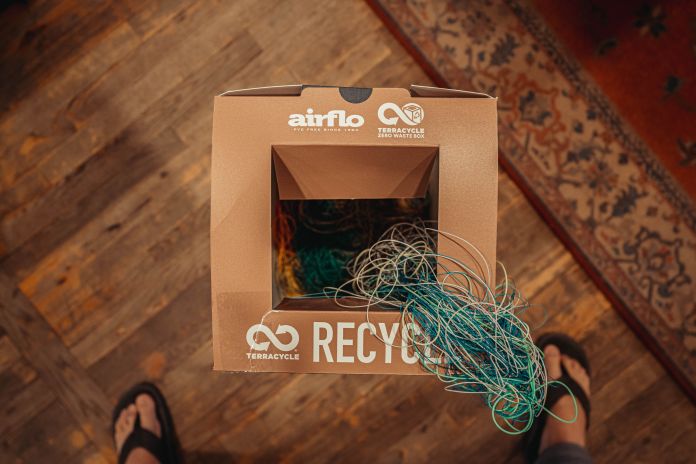
Airflo’s “Terracycle” program is a great testament to how solid participation in fly-fishing can lead to producers taking long-term approaches to their own environmental impact. However, in order for these programs to exist, there needs to be a certain level of participation – and that level needs to either increase or hold steady for programs such as “Terracyle” to continue.

Our standing in the outdoor recreation industry gives us more opportunity to pursue real, meaningful growth of the craft. From entry-level fly gear with the potential to expand and broaden the experience for more traditional anglers, to more nuanced sectors like soft-good production, travel, and media that continue to grow and prosper, we can now punch above our weight class. 

Of course, it’s more than just being healthy as an industry. Our industry, quite uniquely, depends on healthy watersheds, clean water, access to public lands and waters and general conservation education.

Part of being more active on behalf of our craft involves working with important conservation partners, like Trout Unlimited and the Bonefish & Tarpon Trust, two groups that put boots in the water to make fishing better for everyone. Membership in these groups consists largely of fly anglers, and that’s relevant — these folks speak our language and want to know what we have to say. Importantly, they, along with other groups like the American Sportfishing Association (ASA) are at the forefront of the efforts to protect and restore the resources we need to keep our craft strong and sustainable. Using their knowledge and experience, we can engage credibly and appropriately in the places where it counts.

Use it or lose it?

That’s why we need to use our influence and endeavor to keep it. Fly fishing must present a united front as an industry in order to maximize the influence we’ve earned. Together, we’re stronger. Together we have more credibility in political lobbying circles and more influence with management agencies. Together we have more impact when we go after bad actors who seek to tarnish the environmental assets we need to keep our pastime healthy.

Image via Arian Stevens from last years ‘Native Fish Society Homewater Roundup’.

As an industry, we can do many things to put our influence to work. But perhaps it’s best to be organized and coordinated — to speak and act united whenever possible. In this vein, and amazing resource for organizing our influence and putting it to work is happening this summer in Orlando. 

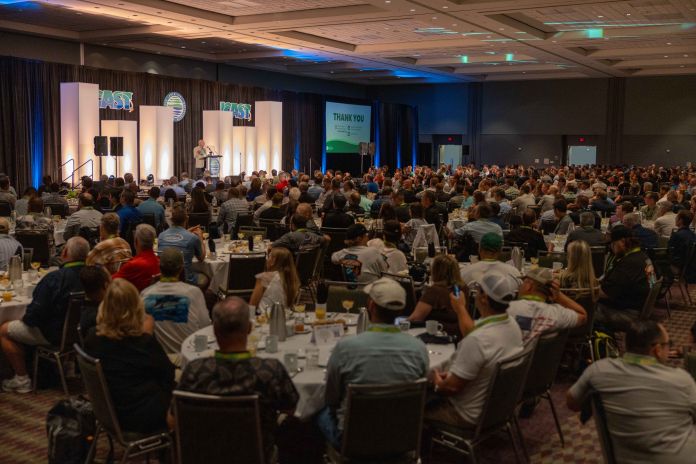
Last year’s attendees flooding onto the ICAST floor.

The annual ICAST trade show, produced by the American Sportfishing Association, is the largest fishing tackle show in the world — last year, more than 13,000 people in the overarching recreational fishing industry attended. 

This “Super Bowl of trade shows” offers the fly-fishing industry unfettered access to our peers in the conventional tackle industry, and it gives us the opportunity to share our craft across the massive fishing industry as a whole. But perhaps most importantly, it gives us a chance to come together and talk about the issues affecting fly fishing and how to use our influence to address them.

What’s more, we’re being courted by the ASA to be a significant part of the 2024 show this coming July in Orlando. Last year, the ICAST show dedicated more floor space to fly fishing and expanded the show’s new product showcase to include six fly fishing gear and equipment categories. This year, the number of categories will grow to 10, and, again, more exhibit space will be dedicated to fly.

“We wanted to let all of the fishing community know that fly fishing is a big part of the picture, and it is important to have it all under one roof,” said Blake Swango, ASA’s Vice President in charge of membership and the annual ICAST trade show. “Our team came up with a concept to create a special experience for fly fishing vendors (at ICAST) by creating a dedicated ‘fly zone’ on the show floor. It was a huge success.”

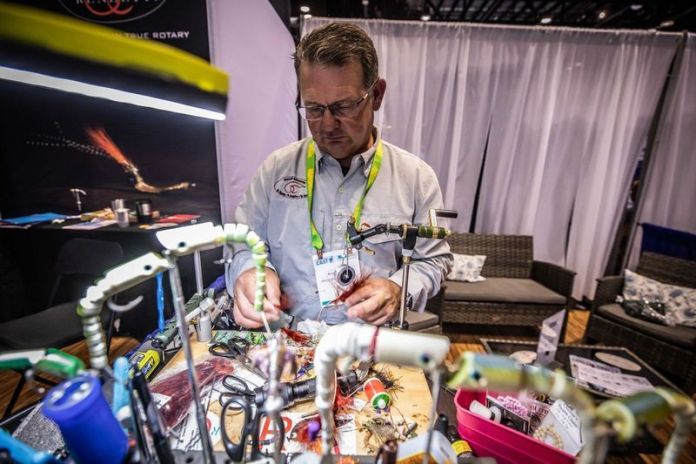
The ICAST Fly Shop gives exhibitors the chance to show off their products in a shop-like environment, where they can interact with retailers and connect with one another for meaningful interaction. There’s no other opportunity like it, where we can gather as an industry in a setting where we can rub elbows with the larger conventional gear and tackle folks and work together to grow our industry and build on our influence. 

Add to our voice, increase our strength

By adding the fly fishing industry’s voice to issues already on the table for the conventional angling side of things, we can help push issues across the finish line. And, we can earn the trust and goodwill from conventional anglers. Communication and coordination is key — an “us vs. them” approach doesn’t work. Conservation issues affect all anglers. 

And, as Swango noted, attendance at the ICAST event in Orlando this year comes with an ASA membership.

“Not only does ASA produce the largest sportfishing show in the world, but we are also the leader in advocating for the sportfishing community, and an important source of education and resource materials for our members,” he said. “ASA represents our member organizations in front of both state and federal lawmakers to ensure access to fish and abundant fisheries. It also protects these members from unfair trade and commerce policies.”

Simply put, it’s our best opportunity to show our force and flex the muscles we’ve worked hard to build. It’s a public-facing opportunity to show our fellow industry professionals that the fly fishing corner of the industry is growing and that our contribution to outdoor recreation and the efforts to work on sustaining the resources we need to ensure our continued growth will be outsized. 

It’s our best chance to use the clout we’ve earned. It’s our greatest opportunity to show we’re serious about continued, sustainable growth. It’s our best shot to show up and show out with all anglers. United

To learn more about ICAST 2024 and its mission to support fly fishing, Click HERE. Registrations open Today!

ICAST 2023 Enhances and Expands Fly Fishing with New Features

Reel of the Week: The Big Bonefish are in Hawaii

A note from Captain Chris Wright (@alohafishinghawaii):

This story began a couple of days before the big game. I received a message from my client saying he had to cancel our bonefishing trip for the morning of Super Bowl Sunday. I was totally okay with having the day off. “Bingggg” – I instantly received a text on my iPhone. It read, “Hi Chris. Any chance you or anyone you know could do a half-day fly fishing for bonefish on Sunday, February 11th? Sorry it’s last minute.” I thought, “Wow, this guy really lucked out big time.” I texted him back, saying, “You totally lucked out! I just had a client cancel his trip for Sunday. I’m open to doing a half-day from 8:00 am to 12:00 noon on Sunday, February 11th.”

So off we went! I met Brian (@brianwilson12) at the boat ramp and headed straight to the bonefish flats. It was a beautiful, glassy, windless morning. We started our slow walk, looking and hunting for any movement and shimmer of feeding bonefish. With the tide high and dropping fast, we made our way deeper into the soft, muddy areas of the flats. Boom, there he was! A big tailing bonefish patrolling the shallows, looking for its next meal. We crept up slowly and quietly. Luckily, Brian was an incredible caster with hours of practice in saltwater. He made a beautiful, long 50 ft cast way out in front of the feeding bonefish, and that’s when one of the most unforgettable and amazing videos I have ever filmed. This bonefish was probably in the 7-8 pound range and full of power. I hope you all enjoyed watching this video as much as I enjoyed filming and sharing it with the world. I feel completely blessed with the best job in the world. Aloha!

Reel of the Week from Captain Chris Wright, if you ever make it down to Hawaii, be sure to hit up Chris at @alohafishinghawaii, you might even get a shot at a few tailing bones this big!

Check out the articles below:

Angler Story of the Week: Giant Belize Permit

Beginners Guide to Flats Fishing

Beginners Guide to Flats Fishing

In October, I traveled to Mexico to meet up with 15 other women through an organization called Women on the River Collective with the sole purpose of fishing the flats of the Yucatan Peninsula. While this was my first dedicated salt water trip, many of the women had made yearly pilgrimages to the ocean in pursuit of the many species it has to offer. I had no idea what to expect other than what I gathered from hearing whispers of prized permit and energetic bonefish. All of the trip research that I did could not prepare me for the experience that was flats fishing. 

Photo by Mac Elliot (@macelliotmedia) at X Flats Lodge

Our first day on the panga, I quickly realized that things happen within the blink of an eye. If you are not ready to jump into action with speed and precision you could miss your chance at your only fish of the day…or the week. Despite the anticipation of high adrenaline moments, the cadence of days on the water was quite slow. Long hours were spent standing at the bow of the boat in the heat of the Mexican sun, dressed in protective sun layers, simply scanning for fish activity. 

Targeted Species: Permit

We did a lot of waiting and watching for nervous water and tailing, which indicate a school of active or feeding permit. When permit were spotted by our guide, who was elevated on a platform, they would diligently push the panga over to the group of fish at a realistic distance for a cast. Matching the breathless excitement of the moment, they would hurriedly say some variation of cast 30 yards. 12 o’clock. No. Now 20 yards. 2 o’clock. Quickly, quickly. Cast again, not close enough. Again to the right. They’re coming. STRIP SLOW. Slow. SLOWER. Ok. Ok. SET. SET. SET. It was amazing to see the passion of these fishing guides. To them, putting a client on permit was often as big of an accomplishment as it was to the angler. At the end of the day, eager lodge mates would inquire how did your day go? And, if you caught a permit, you were celebrated all night. 

Angler Morgan Harrow (@morgan_is_fishing)

Targeted Species: Bonefish 

Bonefish hunting tended to be more active and engaging. We were able to wade on the shoreline while observing signs of bonefish, which were indentations in the sand where they had recently fed. During the day, it was not uncommon for us to intercept several bonefish schools or big singles on the flats close to shore. They are more eager to take a fly than the permit are and, boy, do they peel your fly line out faster than you can imagine! 

Targeted Species: Tarpon 

The other most popular species of the week to catch were tarpon that rolled near the mangroves. Tarpon are large, aggressive fish that are enticed by a fast retrieve. The trickiest part about these fish is that you have to set the hook very hard and twice in a row. If you do not set the hook hard enough, they often spit the fly when they do a spectacular jump out of the water. To jump a tarpon was one thing, but to land one was a whole different feat. 

Tricks and Tips for Flats Fishing

The biggest advice I could give a first timer is to set realistic expectations. Stealth, accuracy, reflexes, and advanced techniques will be put to the test in order to create successful outcomes. You will likely have to adapt to new retrieval speeds and setting methods. For instance, stripping a crab for permit is done in a very long and slow motion, which is much different than what you do for other species. Additionally, many of the trout anglers fall victim to the trout set rather than the necessary strip set for these kinds of salt water fish. 

With setting realistic expectations comes my next piece of advice: Enjoy every species of fish you catch. While these three well-known species are fun, there are more fish to be caught and marveled over. If you spend some time out on the reef, you can catch a large variety of colorful reef fish. My most memorable fish of the trip was a large triggerfish that I fought for a bit before it spat the fly with its comically puckered mouth.

The Essentials

Do not underestimate the power of the tropical sun on the flats. Sun hoodies, breathable pants, and obsessive reapplication of sunscreen were essential to protect my skin from burns. Do not forget a lip balm sunscreen because your lips will get burnt and blister quickly while spending all day on the panga. Also, keep drinking water and electrolytes because you will quickly become dehydrated by sweating throughout the days heat. 

Polarized sunglasses are an absolute requirement to cut the glare of the water. Experts recommend green or copper for flats fishing to increase color contrast. Additionally, at the end of each day, wash off your sunglasses in freshwater to remove sand without scratching the lenses, using a cleaner and microfiber cloth to remove smudges and sunscreen.

Lastly? Enjoy the Ride! 

Saltwater trips are significant investments of time, money, and energy. Your dream fish is by no means guaranteed, no matter your skill level. As a beginner, I was happy to have made it out with many bonefish, some permit and tarpon chases and about eight other species of fish. Enjoy the moments of excitement and fun along the way, because there is only so much you can control with fish as picky as these.

Photo by Mac Elliot (@macelliotmedia)

 
https://theflylords.com/the-best-saltwater-wading-boots/