Once declared extinct in the Pyramid Lake system, Lahontan cutthroat trout are certainly doing well since their reintroduction into the system in the early 2000s. So well indeed that an angler landed an estimated 39-inch Lahontan on Valentine’s Day this year. Quinn Pauley was enjoying a quiet day on the banks of the lake after his friends had to leave to celebrate Valentine’s Day back home when he hooked a huge fish.
Quinn Pauley with the approx. 39-in Lahontan that he estimates weighed close to 30 lb. Photo from Reno Gazette Journal.
Now it’s common knowledge that the trout in Pyramid Lake grow to otherworldly proportions, and prior to their declared extinction, were known to hit sizes of 40 lbs and rumored to top the measuring tape out at 50 inches. And Pauley’s catch is supposed to be the largest of the Pilot Peak strain (Raised in Gardnerville at the Lahontan fish hatchery) landed since the reintroduction of the Pilot Peak fish began in the early 2000s.
The fish was a Pilot Peak strain, born and raised at the Lahontan Hatchery in Gardnerville. Quinn said he could tell because the adipose fin had been clipped. After bringing the fish to hand, Quinn managed to capture some video of his catch before safely releasing the fish back to the lake.
In this weeks Video of the Week we catch up with Scottie in his most recent film about a local adventure into the Appalachian backcountry this past fall. Scottie and his cousin Charlie head out to a favorite trail to do some overnight backpacking and fishing. Good friends, warm fall days, and hungry fish on dries. What’s not to love!
Watching this short film gave us the warm weather bug and cannot wait for wet wading, big dries, and long warm summer nights. If you aren’t already make sure to follow Scotties adventures here: @wildflyproductionsÂ
For this month’s Organization of the Month, we head to the ‘Land of Ten Thousand Lakes’ and chat with the folks of Sportsmen for the Boundary Waters (SFBW). Located in Minnesota’s Northwoods the nearly 1.1 million acre Boundary Water Canoe Area is threatened by proposed sulfide-ore copper mining at its headwaters. Follow along to learn more about the Boundary Waters and the work SFBW is doing to protect this beautiful place.
Flylords: I’ve heard a lot about the Boundary Waters over the years, but can you tell our readers about the Boundary Waters Canoe Area (BWCA)?
SFBW:Â The Boundary Waters is a special place, filled with the wonders of the Northwoods and an awe-inspiring landscape shaped by glacial movements millennia ago. At nearly 1.1 million acres, the Boundary Waters spreads across the Northeastern tip of Minnesota. It is a vast boreal forest consisting of interconnected lakes, streams, wetlands and aquifers that provide some of the best fishing and hunting the world has to offer. Hunters and anglers travel to the Boundary Waters for the one-of-a-kind chance to pursue lake trout, walleye, smallmouth bass, northern pike, whitetail deer, ruffed grouse and black bear in a true backcountry Wilderness landscape.
The Boundary Waters was first designated as Wilderness under the Wilderness Act of 1964. In 1978, the Boundary Waters Canoe Area & Wilderness Act expanded the wilderness area to the nearly 1.1 million acres that it is today. The 1978 Act also established a Boundary Waters Canoe Area Mining Protection Area along the access corridors into the Wilderness and banned mineral development within the Wilderness and the Mining Protection Area.
Today the Boundary Waters is the most visited Wilderness in our nation with over 150,000 visitors seeking the amazing backcountry experience that it has to offer. The three million-acre Superior National Forest, which includes the Boundary Waters, contains 20% of all the fresh water in the entire National Forest System at 193 million acres. Downstream from the Boundary Waters are Voyageurs National Park, Rainy Lake, and Lake of the Woods, which provide some of Minnesota’s best fishing and hunting experiences. The Boundary Waters  truly is a public lands and waters success story.
A great sunset in the Boundary Waters
Flylords:Â Minnesota is known for its ten thousand lakes. How many lakes are in the BWCA?
SFBW: The Boundary Waters consists of 1,100 lakes, 2,500+ campsites, and 800 miles of coldwater streams.
Flylords: What’s the backstory behind Sportsmen for the Boundary Waters?
SFBW:Â Sportsmen for the Boundary Waters was founded by a group of hunters and anglers who work together to conserve the Boundary Waters for future generations. We work with local guides, outfitters and businesses who all know the value of the Boundary Waters to the economy of Northeastern Minnesota and understand the importance of the BWCA to the country.
Sportsmen for the Boundary Waters is a 501(c)3 nonprofit organization based in Minnesota and founded in 2015. Our mission is to protect the integrity of the BWCA and its watersheds for huntable and fishable populations of fish and wildlife, now and forever through advocacy and education.
We are working toward permanent protection of the BWCA from proposed copper-nickel mining in its watershed. Proposed mining near the Wilderness could damage the local outdoor recreation economy, dozens of youth camps, downstream fish and wildlife, and the pristine water quality the Boundary Waters is known for. In addition, we do tons of outreach to promote hunting and fishing in the Boundary Waters, promote conservation and stewardship of the area’s natural resources, and offer opportunities for our members to enter to win free trips from local guides and outfitters.
Flylords:Â Industrial mining and water sources are never a good combination. Is the Boundary Waters Canoe Area different? Tell us about the threats from this mining project.
SFBW:Â Twin Metals, a wholly owned subsidiary of Chilean mining giant Antofagasta, is working to develop a sulfide-ore copper mine at the headwaters of the Boundary Waters. This type of mining has a terrible track record of polluting nearby water, and anyone who has been to the Boundary Waters knows how interconnected the water is here. A spill, a leak, or any change to water quality or the environment would spread far and wide, and sulfide-ore copper mining always pollutes water.
Flylords: I learned a lot about the BWCA and public lands issues this past fall through Patagonia’s “Public Trust.” Tell us about working with the “Public Trust” team.
SFBW: Working with Jeremy Rubingh, David Byars, Hal Herring and the entire group who made Public Trust was a blast. We met them at the Backcountry Hunters and Anglers Rendezvous barbecue a few years ago, one thing led to the other, and they came to Minnesota to film public lands rallies we helped organize at the Minnesota State Capitol and an awesome trip to the BWCA to see where the proposed Twin Metals mine would be first hand.
We were proud to be part of the project, and hope the film helped bring the case to conserve the Bears Ears, the Arctic National Wildlife Refuge, and the Boundary Waters for our own good, to a national audience. The film shows how the conservation of specific public lands across the country isn’t just up to locals but is collectively a national issue. Protection and access for the people to our own public lands and waters is critical to the long-term protection of these places. It also shows the damage done to American’s trust in the institutions meant to protect our lands, and the clear mandate our elected officials have to back up campaign promises about conservation goals with action.
Flylords:Â What is SFBW working towards? What’s the end goal?
SFBW: The number one priority is to halt the ongoing development of the proposed sulfide-ore copper mine upstream of the Boundary Waters. We’re asking state and federal agencies to take a “stop and study†approach, rather than evaluate the mine plan currently in front of them. The businesses who depend on the Boundary Waters, and the thousands who go there every year, are urging the government to take a protective approach, rather than proceed with “business as usual†approach on a mine proposed on the South Kawishiwi River, which flows from the mine site directly into the Boundary Waters.
The United States Forest Service and Bureau of Land Management have the discretion to order a 20-year mineral withdrawal within the Superior National Forest, halting the project from further development. To permanently protect the Boundary Waters, however, Congress has to pass legislation that withdraws the same area from hardrock leasing, prospecting and mining for good.
Flylords: What is the impact of outdoor recreation on the Boundary Waters’s surrounding communities?
SFBW:Â Outdoor recreation is a huge part of a deeply rooted tradition of hunting, fishing, canoeing and camping in MN and the Boundary Waters. Much like Bristol Bay, we have an invaluable resource in the BWCA, and should take whatever action we can to ensure long-term conservation of the area. The Boundary Waters is the Yellowstone of the Midwest and the largest Wilderness north of the Everglades and east of the Rockies.
With over 150,000 annual visitors, the Boundary Waters represents some of America’s most-accessible public lands to visitors, particularly in the midwest. In a day, visitors can drive from Illinois, Michigan, Iowa, Wisconsin, North and South Dakota, Nebraska, Missouri, Indiana, Ohio, and across Minnesota for a true one-of-a-kind backcountry Wilderness experience. Few other backcountry destinations allow for this sort of experience, and the few places we have in America that provide the backdrop for this experience need permanent protection.
Lodges, outfitters, guide services, and Minnesotans all benefit from the clean water in the BWCA and overwhelmingly advocate for their protection at events we organize, facilitate, or partner on. Without a permanent protective order of the BWCA, polluted water and impacts to fish and wildlife from proposed mining could depress business around the Boundary Waters and negatively impact the local economy.
Permanent Boundary Waters protection does not only benefit the immediate BWCA area, but also the entire state of Minnesota and the regional outdoor recreation economy. Our future generations depend on us to protect our wild places. The Boundary Waters Canoe Area is no exception.
Flylords:Â How is SFBW organizing opposition to the mine?
SFBW:Â Our guiding motivation is, and has always been, permanent protection of the Boundary Waters from sulfide-ore copper mining through legislation and mineral withdrawal.
Working with Congress to pass a permanent protection bill
Encouraging government agencies to protect the BWCA through a number of actions.
Spreading the word to other hunters and anglers
Developing and broadening a robust hunt/fish coalition that helps to nationalize the issue. I.e with orgs like TRCP, BHA, NWF, and others
Educating hunters and anglers on the issue and the importance of protecting our cherished wild places for future generations.
Flylords: Let’s touch on the fishing. By your account, the BWCA seems like a fishers’ paradise. Tell us about some of the best fishing opportunities?
SFBW: The Boundary Waters offers world-class fishing opportunities every season of the year. The most popular species targeted are lake trout, walleye, smallmouth bass, and northern pike. These four species are known as the “Grand Slam†of BW fishing trips. The clean interconnected water of the Boundary Waters is integral to sustaining the populations of game fish. Acidic changes from toxic pollution would drastically affect the fish and the larger ecosystem.
Flylords:Â Any developments for the new year?
SFBW: Not yet but we are hopeful for positive conservation wins for the Boundary Waters in 2021, as the Biden Administration works towards rebuilding environmental protections across the nation. Additionally, we will pursue and support the re-introduction of the Boundary Waters Wilderness Protection & Pollution Prevention Act, a bill from Rep. McCollum to permanently protect the BW from sulfide-ore copper mining. Beyond the hunting and angling community, outdoor recreationists and tourists alike have flocked to Northern Minnesota for its solitude and accessibility in 2020. The Boundary Waters represents a much broader value to the people of America than the mineral value Twin Metals would extract.
Flylords:Â How can people support Sportsmen for the Boundary Waters?
SFBW:Â You can support permanent Boundary Waters protection for future generations now at SportsmenBWCA.org by taking the pledge to defend the BWCA, donating to our organization, or contacting your member of Congress directly through our website. Any action you take with us will sign you up for alerts about how to further support the Boundary Waters in the future, and directly support Boundary Waters protection in any actions related to hardrock mining upstream of the Wilderness.
For more information, follow @SportsmenBWCAon Instagram, Twitter and Facebook to share your own Boundary Waters story, BWCA fishing pictures, and to help spread the word and connect with our effort directly. Finally, come visit us and experience the BWCA for yourself to understand why we work so hard to protect it now and for future generations.
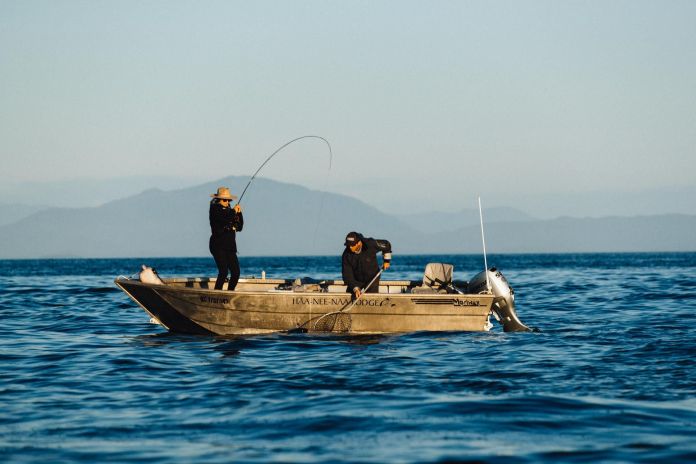
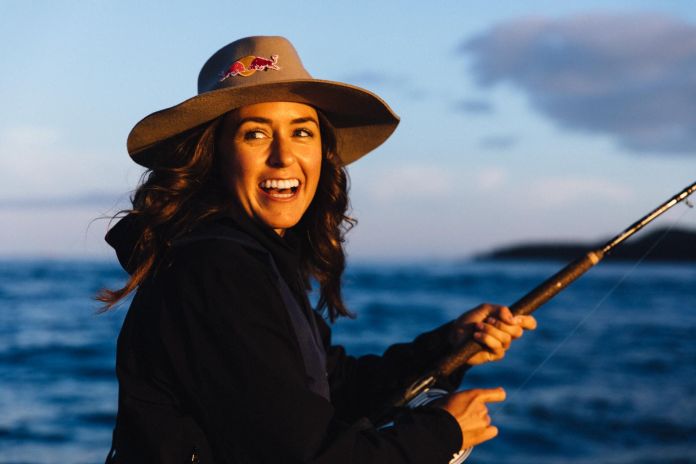
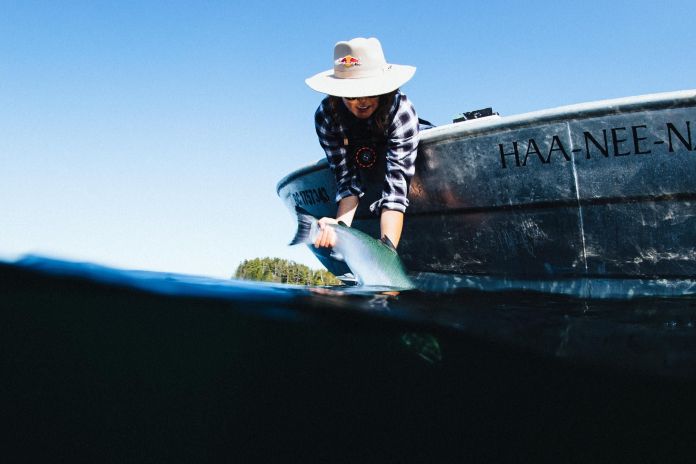
In the latest feature from Fishing BC, we got the chance to catch up with Tatum Monod about her trip to Prince Rupert, British Columbia. Tatum fished out of Dundas Island, which is located on the west side of the Chatham Sound to the northwest of Prince Rupert along the Northern Coast of British Columbia. The whole Prince Rupert area on the Northern Coast of BC is rich in biodiversity with many different species of fish, the most popular to target on the fly being the different salmon species. Read on below to learn about Tatum’s incredible trip to Prince Rupert, where she landed her first-ever Chinook Salmon as well as Coho (Silver) Salmon on the fly.
Photo: Jeremy Koreski @jeremykoreski
Flylords: What region of Canada were you in for this project? Had you been there before?
Tatum: For my trip to Dundas Island, I was on the north coast of British Columbia. It was my first time there, and I had never deep sea fished before. Being out on the open water was such an incredible and different experience and I absolutely loved it. Targeting coho and chinook salmon was also new to me, and it was crazy! British Columbia is awesome, there is so much to do and so much beauty. It was so fun to venture into a new part of my home.Â
Photo: Jeremy Koreski @jeremykoreski
Flylords: What was your favorite part of the trip?
Tatum: It is so hard to pick just one favorite part of this trip. The overall experience was so insane and I was so grateful to be on Dundas Island. Just absorbing it all was amazing, from catching my first silver on the fly to deep-sea fishing I had a blast. I also felt like I learned so much from everyone, they were all so informed about what was happening with the fish and the tide, it was so cool. Being so remote was an experience in itself, it felt great to be away from everything in such a beautiful place.
Photo: Jeremy Koreski @jeremykoreski
Flylords: What was your favorite part of the Haa Nee Naa Lodge?
Tatum: I had never stayed at a floating lodge before, and it was totally rad. Because the lodge is completely floating, it moves with the tide and it feels odd but so cool. It was so calming to wake up in the morning and look out the window to see the deep blue sea. Just being out there was incredible. The fishing was insane, but I would have been almost just as happy to hang out at the Haa Nee Naa Lodge. The lodge food was also delicious, we had fresh sushi and it tasted so good. I would 11/10 recommend coming to Dundas Island and experiencing the beauty of British Columbia first hand.
Photo: Jeremy Koreski @jeremykoreski
Flylords: Would you recommend others to come up and take a trip like this?
Tatum: Yes!! It was the trip of a lifetime, and I hope to come back someday. The beauty of this part of British Columbia was astounding and the lodge itself was equally amazing. Haa Nee Naa lodge is unique because you can do guided or unguided fishing trips. There were some people at the lodge who had been there in years past and would just go out fishing on their own. If it is your first trip I definitely would recommend having a guide for a few days before going out by yourself. The guides are so nice and knowledgeable, it was so awesome to have them around.Â
Photo: Jeremy Koreski @jeremykoreski
Flylords: How is saltwater fishing different from small stream fishing? Did you enjoy it more or less than small stream fishing?
Tatum: Saltwater fishing was entirely different from small stream fishing. I grew up fishing small streams for trout but never had the opportunity to do deep-sea fishing until this trip. Although it was super different, it was so so fun! I did get to cast for coho salmon on my fly rod, which felt somewhat similar to small stream fishing, but still pretty different. Salmon fight insanely hard and I was getting an arm workout in!
Photo: Jeremy Koreski @jeremykoreski
It was such a new experience to jig with herring and catch halibut and other deep-sea dwellers. Ocean fishing has a science to it and the guides at Dundas Island had that science down. We would go to a certain spot and it would be super slow until the tide shifted. Then salmon came in like crazy and I had one on after another, which was an absolute blast! The ocean really is a different world and as much as I love small stream fishing, I also really enjoyed being on the saltwater.
Photo: Jeremy Koreski @jeremykoreski
Flylords: How did you feel about catching your first ever coho and chinook salmon?
Tatum: It was wild, I definitely see the allure of salmon fishing after going on this trip. When I got my first chinook on I didn’t know if I could even reel it in because it was so huge! I was amped up and so excited to catch that fish, I was freaking out a little bit. It was super hectic and I was so glad the guide and crew were there to help me out! Salmon is a whole new element for me and I was so stoked to experience salmon fishing in such an incredible place. I love the idea of having a personal cache of fresh salmon and it was so delicious to eat the salmon I caught.Â
Photo: Jeremy Koreski @jeremykoreski
Catching my first coho on a fly rod was a dream come true. It ran with my line and put up such a good fight. There’s just something about fighting such a strong fish on a fly rod. I went on this trip with hopes of catching a silver on the fly and I was lucky enough to do just that!
Photo: Jeremy Koreski @jeremykoreski
Flylords: What makes fishing in British Columbia so special?
Tatum: I am never bored in British Columbia, from skiing to fishing there is never a dull moment. Regarding fishing, in particular, I think the variety is incredibly special. We have oceans, trout, salmon, lakes, rivers, mountains, and you can change it up all the time. The combination of all these features makes for a fantastic fishing adventure in British Columbia.
Photo: Jeremy Koreski @jeremykoreski
Since I grew up in British Columbia, I think I will always find fishing here special. When I was little my dad would sit me in a Tupperware container at the front of his drift boat. I had the best time catching trout and just enjoying the ride. When you are in a place as pretty as British Columbia, catching fish can feel like a bonus!
Flylords: How do you feel skiing and fly fishing relate to one another?
Tatum: Fly fishing I can do until the day I die, but skiing will be temporary. There will become a point where my body just won’t be able to do it. Both fishing and skiing are two of my favorite activities, I don’t know where I’d be in life without them. I ski hard all winter and fishing during the summer gives me a chance to chill and relax. Fly fishing also gets me hyped up though, I’ll be hooting and hollering on the river when I’m having a good day!
Photo: Jeremy Koreski @jeremykoreski
Flylords: Is there a part of this trip that you will always remember?
Tatum: Catching salmon was such a new and amazing experience that I will always remember. It was unlike any other fishing I had ever done before. The bite was crazy and the feeling of such a large fish on the end of my line was unreal. Catching a coho on my fly rod was so cool, definitely won’t ever forget about that. It also felt awesome to just be on the water in such an incredible place. I got to go out paddleboarding and we saw so much wildlife, including a whale, which was an experience I’ll never forget! It’s hard to pick just one part of my trip, I think I’ll remember the whole thing forever!!
New England’s flats are often overlooked when it comes to Striped Bass fishing. The flats can be some of the most productive areas to find Striped Bass of all sizes and can create some of the most exciting fishing in the area. When Stripers come up onto flats, they have one thing in mind and that is to feed. Shallow flats are loaded with food sources for Stripers such as crabs, shrimp, sand eels, and other small fish. Since we already focused an article in this series on Sand Eel Flies, here we will break down 5 Crab and Shrimp patterns that you should stock up on for this coming Striper season.
Merkin Crab (and its variants)
The Merkin is probably the flagship crab pattern across the world. It’s like the Clouser of crab flies; it’s clean, simple, and deadly effective. The basic Merkin is also the base of many other popular crab patterns that I love for Stripers such as the EP Crab and the Strong Arm Merkin.
Materials:
Strong saltwater hook
Light-colored thread
Dumbbell eyes (use different weights depending on where you are fishing)
Original EP fibers or sparkle yarn
Rubber legs
2 hackle tips (can be substituted for marabou or rabbit zonker)Â
This is a staple shrimp fly in saltwater fly anglers’ boxes all over the world. This fly is effective on sand flats but shrimp flies are my favorites for backwater or estuarine sand and mudflats. When Bass are feeding on the edge of marsh grass and a mudflat, the EP Shrimp comes out of hiding.
The Flexo or Alphexo crab is a relatively new pattern originally created for targeting Indo-pacific permit and triggerfish in Seychelles. While those species are quite different from Striped Bass, the behavior of feeding on a flat is similar and definitely can translate. Permit and Triggers are known to be very spooky and picky, so I reach for the Flexos when the Bass I’m fishing for are heavily pressured or are in shallow, calm water.Â
Pardon the bruised and battered fly, this particular one has seen more than a couple of Striped Bass in its life!
Speaking of backwater shrimp, this fly is somewhat of a best-kept secret. This fly was originally created to catch spooky bonefish on super shallow flats down south, but I rarely use it to fish for Stripers on flats. If you time it right, you can come across a grass shrimp “hatch†in backwaters when the tide sweeps away grass shrimp into the main channels where Bass feed on them just like trout during an insect hatch. During these feeds, the Bass are often incredibly picky and this fly really seems to get the job done.
If Stripers love crabs and shrimp so much, why only choose one to imitate? The Crimp looks both like a crab and a shrimp, and to no one’s surprise, the Bass love it. This is definitely a solid “do it all†pattern.
Materials:
Strong saltwater hook
Light-colored thread
Rubber legs
Dumbbell or bead chain eyes
Craft fur
Original EP fibers or sparkle yarn
If you love sight fishing for Striped Bass, these flies are must-haves every time you hit the water. From little grass shrimp deep in the backwaters to all kinds of crabs, well, everywhere; these 5 flies have you covered. Keep an eye out for the next installments of this Striped Bass fly series.
Riding a chunk of ice down a river is a great way to nominate yourself for a Darwin Award and find yourself in waders flooded with ice-cold water. Which leads us to the question: Why is it always a Colorado angler doing the ice rodeo?
In this case, the angler Cade Pierce and his wife Morgan were enjoying a weekend winter fly fishing trip when Cade decided to ride a flow to get a better drift. Cade said his ride did not result in any fish but will be a ride he’ll remember for years to come. You can see an interview with Cade and Morgan below.
In March 2020, Virginia anglers Luke Konson and Daniel Balserak were set to start their freshman year at Clemson, but then COVID struck, sending their intended plans into chaos. But, Luke and Daniel didn’t let the pandemic keep them down, instead of attending Clemson online or in limited in-person classes, the duo decided to take a gap year fishing across the country, attempting to catch all 50 Official State Fish in their respective borders, calling the trip, Â Fish All Fifty.
The pair have put over 22,000 miles on their Honda Odyssey and their state fish count is up to 28 total. Their runs of engagement are simple, both anglers must catch the state fish before they are able to move on to the next state, where they camp out in Bass Pro or Walmart parking lots while planning how to target the next species.
Read the full interview with the pair on Field and Stream, here!
In the most recent installment of F3T Behind the Lens, we had the opportunity to sit down and speak with Jessica Haydahl Richardson, the filmmaker behind “Dropped in the Pacific”. Throughout her film, Jessica portrays “women doing their thing and just fishingâ€, nothing more, nothing less. As the first female filmmaker to be featured in the Fly Fishing Film Tour, she is the voice of the future of female involvement in the film in the fishing industry. Check out our full interview with her below.
Flylords: Who is Jessica Haydahl Richardson? What defines you as a person?
Jessica: I am a professional photographer and I shoot in the commercial sports fishing industry, primarily in the conventional side of the industry. I shoot everything from commercial work to editorial pieces for magazines. I’m outdoorsy and I love to fish. I’m a pretty creative person, that’s why I’m a photographer.
Flylords: What was your original vision for Dropped in the Pacific? How did it change and evolve during your trip, filming, editing, etc.?
Jessica: I actually was hoping to make the film more of a vlog style where I’m really documenting start to finish the whole trip. Honestly, it was just me filming and editing the entire thing, so it ended up being a lot of work for one person. It definitely would have been great if I could have had another shooter there. At the same time, I was also multitasking and having to photograph still images for a couple of different magazine publications.
I took on a lot and then had to downsize in my mind from where I thought the film could be. It’s just showing a group of women just getting it done and fishing, which I don’t think happens very often in the industry with just women. In the film tours, we see a lot of groups of guys and bros and a lot of slow-motion and high fives, which has its place, and we all like it and it’s visually appealing. Why not try to do that for a group of females, just out there doing their thing? I would say it evolved into…it just couldn’t be as detail-oriented as I was hoping because it was a lot for one person to take on alone.Â
Flylords: How did you choose the women that you traveled with? Had anyone fished together before?Â
Jessica: I didn’t really choose anybody. I tie flies in the winter with a group of women, anywhere from the ages of 35, me, to almost 70. Where we live in Montana we have very long winters, and so on Thursday nights, we tie flies. It was back in 2018, originally, when the idea kind of came up, and we decided we should all go on a trip. There were three ladies, plus myself, from my area that decided this is something we wanted to do.
We started putting out ideas of where we should go. Christmas Island kind of came up as a once-in-a-lifetime, bucket list trip. One of the main women who organized it, Peg Miskin, grabbed a couple other people she knew, and next thing you know we had seven women, and then myself as a filmmaker, the eighth. They came anywhere from Wisconsin to Colorado, to Wyoming to Montana. All of us have either worked or been a part of the Casting for Recovery organization.
They knew my intentions of shooting a film. As a professional photographer in this industry, I don’t have the luxury of just going on a trip to go fishing. That’s not something that I can just go and do, because I have to work.Â
I’m always having to look at it from a financial standpoint, and shooting with film was something that I wanted to do. I wanted to put it out there and say, “This is something I’m going to do, I’m going to get it done.” And we did it. I’m really proud of having done all of that and multitasked it, but I also in the end see definitely the value in having multiple people on a film shoot.
Flylords: What was the dynamic of the group? How did everyone get along, and how did this affect the fishing?
Jessica: I feel like we’re at the place in our lives where we’re mature enough to all get along and figure out everybody’s needs. It was a wonderful group of women, really dear to my heart, these girls. We had a really great time. When you’re fishing at Christmas Island there are four of you on a boat and there’s just two anglers at a time out there. So you’re not together all day, but it was awesome. We’d get back in the evenings and everybody sits around, there’s a scene where the ladies are lighting up cigars and just doing stuff that is maybe out of the normal daily habits they have.
And they’re competitive. These ladies love to fish and are good fishermen, too. And so that experience in itself was really cool to see. One lady in particular, Jen Lofgren, is so dialed in and it was just really impressive to watch her fish saltwater.
The women I went with were very well-versed in the saltwater environment, and they’ve traveled all over the world to fish destination places, that is something to note.Â
Actually, Jenny West, who has that triggerfish in the end, had only gone saltwater fly fishing once. That said, she is a guide and outfitter here in Montana, she’s owned her outfitting business for 20 years.
We had one day that was just a rockstar day. That triggerfish at the end was something that had eluded her the whole trip, and that was on the last cast of the last day. It was perfect timing. We couldn’t have asked for a better fish to line up to catch. I did my best to try to portray that in the film with her and I shouting at each other just in elation.
Last cast, the boat’s coming to pick us up, she has one opportunity for it, and it happens. It was a pretty special moment. You work so hard and you just know that that last moment captures the trip for you.
Flylords: What was the most challenging part of the trip?
Jessica: Definitely the changing weather conditions. We actually had pretty brutal conditions, anywhere between 25 to 35 mile an hour winds. We were getting hounded by storm after storm. In the morning we would get out there and a storm would come through and pour with rain. Then the wind would pick up, it never let off. From talking with locals, they said that that season in particular was one of the windiest seasons they had dealt with. And then as a photographer and trying to make the film, my biggest challenge was moisture, humidity and water.
Flylords: Do you have any plans to travel anywhere else with this particular group of women? If so, would you like to make another film?
Jessica: Yeah, I would love to travel with these girls, but to be honest, I don’t know what this world will be like. I think it’s going to take a couple of years for things to truly get back for international travel. We just have to remember that this group of ladies from the ages of 35, to almost 70, are unfortunately the most vulnerable in our society right now for COVID.Â
I have a film in the works that is going to be based on the Guide Relief Program, which is being spearheaded by KynsLee Scott and Sweetwater Fly Shop here in Montana. The Guide Relief Program had come into play because of COVID, and a lot of guides found themselves unprotected and out of work, like a lot of people in the United States at this time. I think it’s a program that was needed for a long time, and this is a really cool concept they have. Why shouldn’t guides and fishermen who do this professionally be just as protected as the person who goes and works at a corporation? They should have that accessibility. That’s only fair.
The piece will be more about community and trying to show that there is so much benefit in community support. The Guide Relief Program will drive information to guides, like how do you get insured? How do you find information? That way if stuff hits the fan you can sign up for all these different small business aid programs through the COVID relief plan. There was so much information that came out so quickly. People need that paycheck tomorrow kind of thing.
Flylords: What advice would you give someone who’s interested in starting photography or film?
Jessica: I don’t know if you know this for the F3T, but this film that I made, we will be the very first all female cast in the tour, and I’m the very first all female filmmaker to have a film ever in the tour. So it’s kind of a big deal to break that glass ceiling, so to speak. I got to where I am because I’ve had some really strong females in my life push that narrative forward, and I’m hoping this thing can open the door for more females just to want to create content when they’re in the outdoor space fishing.
So advice for starting at square one is to create the content that you either want to be hired for, or you want to see. Start with the best camera that you have, and work forward from there.
Jessica: You need to source your own information. So for myself, YouTube has been this incredible resource. I did go to a photography school and it worked really well for me, personally. I don’t know if post-secondary education is always everybody’s cup of tea, but it was what compelled me forward in the industry with contacts. I shot everything from the NHL to commercial photography and real estate. Just start creating content. Don’t wait until tomorrow. Just get on it now. And once you start to create what you want to see, or what you want to be heard, or what you want to put out there in the public space, then you’re already on your way. That’s my biggest advice.
Just get out there. What’s your excuse, really? The destination stuff is definitely cool to do, but I would start with documenting your trips here at home. If you’re going out with a group of friends, look at that as an opportunity. If I’m going to go float the day and get to personally fly fish, then I try to get every single person to release my fish, because I can photograph that or film it and then sell that content to potential editorial pieces or companies. The more you create and the more you work at it and the more you practice, the better you’ll be. And as cliche as that sounds, it’s the only way. There’s no shortcut, unfortunately.
Whether you are fishing limestoners, freestoners, or tailwaters, fishing in February can be a challenging task. But for the optimist, spring is right around the corner and with that brings warmer temps and a fresh run of hatches. For the most part, going small is the name of the game during this time of year. Luckily, now that the temps will start to rise, filling your box with a variety of multi-use flies will come in handy. In this tips and tricks video of the week, Trouts Fly Fishing highlights the top 5 files that will get you through the month of February.
This is the time of year when midges are very active.
Works well on tailwaters where there tends to be picky fish.
The two tone color contrast is the best of both worlds imitating the two most frequent colors of midge larvae.
Now is the time to take advantage of the rest of February hitting the tailwaters and other creeks of your surrounding area. Don’t be afraid to give these 5 flies a try during this transition period and into the reaches of early spring as well. While these flies are very effective during February, similar patterns will often work just as well. Best of luck on the water and tight lines!
For more information and where to find these flies, visit Trouts Fly Fishing by clicking here.
Almost any trout line can handle bluebird skies, a gentle breeze, and temps well above freezing. But how does a line handle the exact opposite of all those conditions? Well, that’s precisely what I set out to explore when I got my hands on Airflo’s newly designed SuperFlo Power Taper trout line.
River for one please?
Why would you want to fish, let alone test a line in the middle of winter you might ask? Great question, the answer to which is an amalgamation of timing, the pandemic, and my insatiable obsession with fly fishing. Were there times while “testing†that I wanted to throw my entire rig into the deepest pool of the river and curl up into fishless fetal position? Certainly. I suppose I should clarify that winter can mean lots of things to different people and here in the Adirondacks, winter basically equates to a wholly unforgiving season of bone-numbing, mind erasing, and barfy screaming cold that is about as conducive to fly fishing as using a 2×4 to Euro Nymph (pine ones have way more feel IMHO).
Just stood there and admired how pretty the Power Taper is.
Now that we have that out of the way, lets skip over all of the technical aspects of the line and jump right into the more important aspects like the color and the name. With a fiery orange taper and bright purple running line the Power Taper line will have all of your fellow anglers, friends and foes alike, frothing with jealousy of just how good it looks on the water. And the power?? The power will have you clearing that extra 40 feet of running line through guides like a pro (who cares if the fish is only 20 feet out, we know it’s all about casting).
Anchor ice is not at all dangerous
Nonsense aside, though it felt good, this line is truly a testament to the prowess of the designers over at Airflo. Winter fishing in most cases equates to nymphing slower and deeper pools, typically with a rather heavy setup which makes for difficult casting even in the best conditions. The Power Taper not only handled my tungsten-laden leaders with ease, but it did so well in fact, that I found myself emitting yelps of joy and casting far more than I should have.
Wouldn’t want the guides to feel left out.
The Power Taper and all of the lines at Airflo are made from polyurethane which ultimately makes for a line of uncompromising quality. In addition to being far more environmentally friendly than traditional PVC, these lines also last way longer, have a much larger temperature range, and from my personal experience are just flat-out tough. As a full-time fishing guide, I want gear that I don’t have to worry about and every Airflo line I have used is the very definition of low maintenance.
Riverbank tantrums occasionally pay off.
From my time so far with the Power Taper, I have been super impressed by its suppleness and lack of memory even on days that dipped well below freezing (and having been left in my truck overnight). The Power Taper even casted well when loaded with ice, which I did…for research purposes…though I don’t recommend this if you’re trying not to scare the fish.
But how does it handle in the wind? Glad you asked, please refer to the video.
All in all, the new Superflo Power Taper, which rounds out three new designs from Airflo, goes above and beyond. And if after reading this, you have somehow become inspired to start your own “winter research projectâ€, be sure to give this line a try. Till next time. To purchase the Airflo Superflo Power Taper click here.
Article by Sean Platt, he is a Fly Fishing Guide and Freelance Photographer based in NY’s Adirondack Mountains. To learn more check out www.bentwateranglers.com or at @bentwateranglers.