Home Blog Page 273

TU Costa 5 Rivers Rendezvous – 2019 Northeast Recap

For some, the term Fly Fishing inflicts a casual passion, and for others, a lifelong pursuit. For some, it means throwing size 18 flies on 6x and for others, it means throwing 12 lb leader with a mess of feathers and fur on the end. One thing that this word does inspire though, is community.

This weekend I had the privilege to be a part of one of these communities, as I attended the TU Costa 5 Rivers Northeast Rally. This is a gathering of northeastern colleges and the members of their fly fishing clubs for a weekend of hanging out and talking about fishing. Oh, and beer drinking of course. More eloquently put by Tyler Waltenbaugh, president of Edinboro College 5 Rivers club “These events are great because they allow anglers of different niches to come together and collaborate, share techniques, and form relations around a common calling.”

Students began arriving Friday night at the West Branch Angler, an Orvis-endorsed lodge located along the West Branch of the Delaware River in southern New York. Upon arrival, we checked in, picked up our bags full of “swag” which included stickers and a hat from Costa and RepYourWater. Then we all stopped in at the tent to grab dinner and get to know each other. There were around 40 kids attending this year, with each college bringing between 2-10 kids, all equally stoked to get after it on the water. We spent the rest of that night around a bonfire talking about how we should mouse the river, until eventually going to bed. That night we were all talk, but we knew the fishing would happen tomorrow.

The next day, we all woke up early and made our way up to the patio for breakfast and to hear what the day held for us. We learned from Andrew Loffredo, the head of the Trout Unlimited 5 Rivers program, that we would be running a “Get Trashed” event for most of the day. This event is a contest based who can rack up the most points throughout the day. The majority of points can be earned by helping new fly anglers catch their first fish on the fly! The rest of the points primarily come from cleaning up streamside trash, including cans and bottles from beverages consumed by the group. The group with the most full trash bags gets the most points, and the winners were gifted some more sweet gear!

After a day full of fishing, we all came back and got ready for that night’s activities.
The activities before dinner included the fly-fishing Olympics and raffling off some more goodies. For the fly fishing Olympics, we formed teams of 5 and each person had a specific task in the relay. First was to put on waders, next was to tie a fly, then to rig up a rod. The relay ended with team members casting to targets and taking part in a good ole beer chug. The team with the fastest time took the win at this event.

There was cheering and jeering from all sides, as this event was a huge success (even though my team took 3rd out of 4 teams). Next came the raffle where we got some new fly guys into some sick gear – including new reels, boxes, and flies.

That night the conversation around the bonfire was dominated by how many hot dogs we could fit into the rod vault on Flylord’s very own – Jared’s jeep. After arguing longer than we would like to admit, the group was able to determine a number ranging around 380. After clearing that up, and putting 2 out of 7 hot dogs we had into the vault when Jared went to bed, we brought the conversation back to fishing. Not only to the stoke of hooking fish and of course, old embellished stories – we also talked about the troubles facing our fishing waters. We spoke on pollution, and the pressure put on the Clean Water Act currently, and how we as the younger generation could do something about this.

As I looked around, a campfire with empties slowly piling around it, and eager conversation filling the air, I realized how large this event was. I came to see that this was about more than fishing and clowning around, that this program and these events continue to provide an avenue for stewards of the environment to make their voice heard. I saw budding young environmentalists discussing their career plans and endeavors and in which ways we could positively impact the environment, whether we were biology majors or accounting majors.

As Garrett Brown, the president at the University of Buffalo club, said, “At my first 5 Rivers rally, I was immediately reminded how much of a family the entire fly-fishing community is. This trip has encouraged me to continue to bring new people into the community, and share our passion for conservation and the outdoors.” This program is all about continuing to groom this younger generation to step into the boots of what Trout Unlimited is aiming to accomplish, and overall make a difference to better our environment.

That’s why as I left early that next morning after eating breakfast, I looked back in sadness, knowing that as I complete my senior year, this is the last of these gatherings that I will be attending. I also looked back with pride, though, knowing that my efforts would soon be replaced by the new generations coming in, and this would be an unceasing cycle.

As long as we have fly fishing to continue to connect with others, but more importantly connect with nature, we will continue to have a generation that wants to make a difference and protect these wild places. So, I look forward to keeping up with the 5 Rivers program for years to come and watching these events continue to influence the lives of young anglers.

A big thank you to everyone who made this event possible. Some specific people I would like to thank are Jared Zissu from FlyLords, Andrew Loffredo from TU Costa 5 Rivers, and Hayden Dobbins from Costa. These three did a phenomenal job of putting up with all of us college kids for the weekend, and instilling ethical fly-fishing values in all, especially for those new to the sport who attended this weekend. Thank you also to Costa and Trout Unlimited for putting us in such nice digs, and to the West Branch Angler for being those nice digs.

Article by Ben Weber who is the president and founder of the 5 Rivers Club at Messiah College and is currently a senior studying ecological biology. If you are interested in attending one of these events, be sure to check out @tucosta5rivers on Instagram to follow along with new events.

https://theflylords.com/2019/05/23/2019-5-rivers-rendezvous-west-recap/

https://theflylords.com/2019/05/17/trout-unlimited-5-rivers-rendezvous-midwest-recap/

White Water Rafting and Streamer Fishing – The Middle Fork of the American River (Full Video)

The Middle Fork of the American River is a tailwater that flows out of Oxbow Reservoir near Sacramento, California. It is world famous whitewater and for good reason. With seven class III’s, eight class IV’s, and one class V+, there is no shortage of technical water. The float is about eighteen miles long, and there is really only one way in, and one way out. If something were to happen, all you can do is keep floating and hope you make it out.

While rafting companies are required do the float with multiple boats, (as everyone should), we decided to go at it alone. Conor Grundtisch, Blake Hunter, and myself (Andrew Engel) are all accomplished oarsmen, so we figured we’d just go for it. 

I would like to preface this by saying that it was stupid for us to go at this with just one raft. I don’t care how good we think we are. Whitewater is super fun, but when something goes wrong, which it can at any moment, you need to have safety precautions in place, and taking one raft is rolling the dice. Fortunately, we made it through every rapid perfectly, and it was an incredible experience, but shit happens, even with the professional rafting crews, so we were fortunate.

I woke up that morning feeling sick to my stomach. The car ride down to the river was as quiet as I’ve been on. Blake and I tried to joke about how we were being wimps, and it’s gonna be super fun and blah blah blah, but deep down, we were both shitting bricks. I’m sure Conor was in the car behind us feeling the same way. When we arrived, we were greeted with garbage news, as some NorCal redneck had shot some power generator, so they were going to be dropping the flows and switching the river to top release as opposed to bottom release, meaning water temps were going to have a near 10 degree swing by the time we’d be getting to the good fishing zones. Great.

We thought initially the guy was saying the flows were going to drop to 50cfs from 1200cfs, and we would hardly have any time to fish, and would be forced to just ride the bubble to make it out while there was still water in the river. I’d be lying if I didn’t tell you how relieved I was when I got that news. I thought there was no way these guys are going to want to still float this. Well, I was wrong. 

The moment we started the float, we were met with a Class III, aptly named Alarm Clock/Panic alley. Getting through that first rapid was all it took to erase the nerves and get me stoked for the rest of the trip. 

We made it through the first 4 miles, which consisted of a couple insane rapids as you’ll see in the video, and that’s when the fishing really started. This section of the river has really only been fly fished a handful of times, due to the risk involved. Crystal clear water, and big, aggressive brown trout were the appeal, but the temperature swing made fishing pretty tough. We had a lot of short strikes, and Blake hooked and lost a few nice fish. I joked that the moment I would start fishing, I’d tag the biggest fish of the trip. 

Well, about fifteen minutes into fishing, I stripped set into a really solid 24” brown, that ended up being the fish of the trip haha. Once I got back on the oars, Blake saw a huge shadow, that slowly followed his fly. A definite upper 20” trout. It darted back and forth, following and rejecting each cast. Any other day that fish would have eaten, but the temperature change really put a lot of fish down.

Not a whole lot of action in the following seven miles, and that was when we saw Ruck-a-Chucky for the first time. An insane V+ rapid that starts of with a fifteen foot drop, which immediately goes into a submerged rock garden that water cyphens through. If you go right, into “coffin rock,” that’s a little less than ideal. It’s a V+, meaning that it’s nearly deemed unnavigable, and it is illegal to run commercially. Only one guide ran it, and the other guides portaged the rafts. If something were to happen at the top part of the run, you would be sucked into the rocks, and there’d be little chance of survival. Keep in mind that a class VI means certain death. It’s that intense.

Long story short, Conor and Blake decided to run it. I was good on that one. I was happy with the day and didn’t need to run that one. Following Ruck-a-Chucky was 5 class IV’s varying in technicality and size, with no time between them. They all and stacked right on top of each other, and require you to be on your game. 

All in all, the trip was pretty insane, and I’d like to do it again in better conditions. Enjoy the video on the float.

This video and write up is provided by Andrew Engel of The Fly Dudes… Make sure to check them out on Instagram @theflydudes, and subscribe to their Youtube Channel Here.

https://theflylords.com/2019/07/25/video-of-the-week-finding-common-ground/

https://theflylords.com/2019/08/15/video-of-the-week-class-v-fly-fishing/

Invasive Snakehead Found in GA: “Kill it Immediately!”

Last week, an angler fishing a private stocked pond in Georgia landed something frightening, an invasive Asian Snakehead. Snakeheads are voracious predators that can quickly dominate most bodies of water they inhabit because they lack natural predators. Once called “fishzilla” by National Geographic, they can survive up to 4 days on land and are capable of moving over a quarter mile to find new water to colonize.

Valued in Asia for their meat and sometimes as pets, Snakehead were first accidentally introduced to US waters in 2002 in Crofton, MD, and quickly spread to the nearby Potomac River, establishing themselves permanently in the river system by 2004. Following the invasion, the US Department of Interior to place a ban on the transportation and import of the fish. Since then Snakehead fish have been found in California, Delaware, Florida, Hawaii, Maine, Massachusetts, Virginia, Rhode Island and now, Georgia.

The sighting of a Snakehead in Georgian waters is not a good sign, due to the fish’s ability to colonize new systems very quickly. Authorities and conservationists are already in action shocking systems near where the fish was caught, trying to do their best to prevent the spread of the species. After the first catch, Georgia Department of Natural Resources electrofished the private pond and found one 2-foot snakehead and 3 juveniles. They are currently surveying surrounding waters hoping to find the remaining fish before they disperse and colonize other areas.

According to the Georgia Department of Natural Resources, anglers should kill any snakehead they find, freeze the body and then give them a call to give more information on the catch. This may seem a little excessive, but its imperative these fish are not allowed to spread to new bodies of water.

Mixed Bag of South Florida News: If You Care About the Everglades and Florida Keys, Read This

0

Well, there’s some important fishing-related news coming out of Florida. First, NOAA is proposing an expansion to the Florida Keys National Marine Sanctuary (FKNMS) boundaries. While on the cover this seems like a productive action for the Florida Keys, an expansion could have an adverse effect for fishing access and related industries. Speaking of Florida water issues, Florida Governor Ron DeSantis announced, earlier this month, that key leases previously held by Florida Crystals (big sugar company) will be terminated, paving the way for the Everglades Agricultural Area Reservoir Project. There’s a lot to unpack here so follow along.

The Florida Keys National Marine Sanctuary (FKNMS) has been a divisive, controversial subject for years now. The FKNMS, in its current size, spans 3,800 square miles throughout the Florida Keys. Established in 1990, the FKNMS has operated under this purpose, “to protect the resources of [designated area], to educate and interpret for the public regarding the Florida Keys marine environment, and to manage such human uses of the Sanctuary consistent with this Act.” But NOAA wants to now expand the established FKNMS.

Under the FKNMS Draft Environmental Impact Statement, there are four outlined alternatives: “Alternative 1 (no action); Alternative 2 (slightly more environmentally protective); Alternative 3 (preferred alternative, with many actions identical to Alternative 2 or progressively more environmentally protective); and Alternative 4 (many actions identical to alternatives 2 and 3 or progressively more environmentally protective).” On a deeper dive, the NOAA preferred Alternative 3 would add 741 square miles to the sanctuary, but of more concern are the proposed marine zones and increase no-entry areas.

The Lower Keys proposal under Alternative 3

Many guides in the area are expressing concern about these proposed actions. Why you might ask? Well its not the spirit of this proposed action. Guides understand the need for conservation and ecological restoration–their livelihoods literally depend on healthy marine ecosystems. But they are worried that these areas subject to this proposed action will be lost irrevocably, regardless of any actualized restoration. Guides–and most fishermen–are the ultimate stewards of our environments; and while many guides do understand the importance of marine sanctuaries, they are wary about the expansion of these areas, along with the added loss of access. Additionally, stakeholders in Southern Florida bring up another point: why even bother with these marine sanctuaries, when the ongoing water crisis caused by chronic mismanagement has not been corrected and is the cause for the habitat degradation?

This point relates to the second development: Governor DeSantis announced key leases previously held by Florida Crystals (big sugar company) will be terminated, and the Everglades Agricultural Area Reservoir project can begin. Governor DeSantis has been very influential in moving the needle for the Reservoir project. He installed a more environmentally-focussed water board and is now spearheading restoration efforts. For more information on Governor DeSantis, check out this MeatEater article. The transfer of this land is one of the biggest developments in the decades’ long fight over water in South Florida.  The battle to fix South Florida’s water issues is not done, however; Governor DeSantis now has to deal with the United States Congress to secure funding for the Everglades Agricultural Area Reservoir project.

In any event, this is great news for all those who hold Florida’s fisheries dear. The Everglades and Keys are truly special places, but they need our help to prosper and survive. Even in light of the disputes over the proposed FKNMS expansion, fishermen and other stakeholders are excited for progress in the Everglades.

For more information on the FKNMS, you can dig through the proposed alternatives and make up your own mind through this link. Also be sure to check out Captains for Clean Water! They are tirelessly advocating for sound management of South Florida’s water to restore the Everglades and Florida Keys–plus, they’re some of our favorite fishing guides too!


This article was written by Flylords’ Conservation Editor, Will Poston

https://theflylords.com/2018/07/18/toxic-algae-bloom-hits-florida-waters/

Video: On the Dry with Paul Thacker

Paul Thacker is showing people that anybody can do anything, regardless of the circumstances. Paul is a professional freestyle snowmobile rider who has been awarded many medals at the X-Games. Paul suffered a spinal injury in 2010, taking his ability to walk, but that has not slowed him from accomplishing his dreams.

Aside from becoming one of the most well known snowmobile riders, Paul also enjoys fly fishing. In the film above, you can see him targeting some of the largest fish that Jurassic Lake has to offer. He uses an off-road capable motorized chair to get to his fishing spots. Paul has been able to do some amazing things despite his injury, and I’m sure we will see more great things from him in the future.

Check out Paul’s Instagram and YouTube page to keep up with the awesome stuff that he is doing.

https://theflylords.com/2019/03/14/paul-thacker-x-games-athlete/

https://theflylords.com/2019/10/10/behind-the-scenes-of-patagonias-artifishal-with-director-josh-bones-murphy/

Podcast of the Week: Wet Fly Swing – Joe Humphreys Interview

For this week’s Podcast of the Week it only made sense to feature the Joe Humphreys interview from Dave Stewart over at Wet Fly Swing, with the recent release of “Live the Stream: The Story of Joe Humphreys”.

Joe is one of the great fly fishing personalities of the 20th century.  In this podcast, Joe shares his life in fly fishing, wrestling and teaching both young and old. You’ll get a perspective on the history of fly fishing from Joe today and from his movie Live the Stream.

“Live the Stream: The Story of Joe Humphreys” is now available for pre-order on iTunes. Watch out for the worldwide release of this documentary on November 5th across all digital platforms – SVOD, DVD, Blu-ray, and more. Sign up for updates on all LTS film info at their official site.

Be sure to check out the Fly Lords interview below:

https://theflylords.com/2019/10/10/faces-of-fly-fishing-joe-humphreys/


9 Best Reusable Bottles for Anglers (2019 Unranked)

1

With the #kickplastic movement in full effect, anglers and other outdoor enthusiasts are paving the way for everyone to stop supporting single-use plastic water bottles. In an effort to do so, the amount of purchasable reusable outdoor bottles has skyrocketed. With this increase in market quantity, finding the perfect water bottle that suits you has grown into more of a chore than ever. Luckily, we at Flylords gathered our top picks for which water bottles we feel meet the needs of anglers and explorers in any endeavor they pursue. Here are our top picks for which water bottles will stand the test of the elements (and look good doing so).

For this list, we based our decisions on 3 factors; durability, practicality, and price. While there may be some other contenders in the genre, we focused mainly on traits that would make this water bottle specifically useful to anglers on the water, as opposed to everyday usage. That being said, factors such as temperature control, ease of drinking, and material used were a large factor in determining what products DID and DID NOT make our list.

1. Kleen Kanteen

Classic Double Wall Vacuum Insulated Stainless Steel Water Bottle 

water bottle kanteen
Image courtesy of Amazon.com

Starting off the list is a strong top spot competitor. The Kanteen is noted for its “stronger than most” metal shell and is a refreshingly solid water bottle. On long hot days on the skiff, this bottle can keep ice in and heat out. However, due to its tall slender frame, it’s more likely to topple over and spill, so keep that in mind if wind rolls in. Overall, this water bottle is a worthy investment, especially when considering the price.

Durability: 8.5/10, Practicality: 8/10, Price: 8.5/10 ($25.00)


2. Camelbak Chute Mag

Insulated Stainless Steel

camelbak chute mag

Image courtesy of Amazon.comNext on our list, we have the Camelbak Chute Mag water bottle. This bottle is designed with convenience in mind. With its magnetized handle, the cap can be stored right on the side of the bottle, and you never have to worry about losing it (you could even keep a few flies on there). Now, while not standing quite as strong as competing Yeti and Kleen Kanteen bottles, this vacuum insulated, stainless steel build is sure to keep ice cold and coffee hot all day on the water.

Durability: 8.5/10, Practicality: 9/10, Price: 8.5/10 ($25.98) 


3. Simple Modern Summit

Wide Mouth Vacuum Insulated 18/8 Stainless Steel Powder Coated

simple modern water bottle
Image courtesy of Amazon

This water bottle is one of the lesser accredited brands but has been shining bright with its durable, as well as attestable water bottles. With its vacuum-sealed design, it will keep your drinks at the perfect temperature all day. Not to mention, If appearance is going to a be a deciding factor in which water bottle you’ll take on your next adventure, these bottles come in an array of designs and colors in order to perfectly match your preference. Coming in at one of the lowest prices for our list of insulated bottles, the Simple Modern Summit packs some of the best bang for your buck in the market.

Durability: 7.5/10, Practicality: 8.5/10, Price: 9/10 (21.99)

buy here at Amazon


4. Epic Nalgene OG

Wide Mouth 32 oz  Water Filtration Bottle 

Nalgene OG
Image Courtesy of Amazon

A new spin on an old classic. The Epic Nalgene OG is all of what you love about Nalgene, a bottle brand that has stood the test of time, with some added twists. The built-in water filtration device removes 99.99% of Tap Water Contaminants, so no matter where you are, you can fill up and get moving. While this product is one of the least durable bottles on the list, it can still take a hit. Now, if keeping your ice-cold drinks ice cold is a priority, you may want to look into the insulated bottles offered by Yeti, Hydroflask, etc. However, if your focus is on filtration, and you don’t mind spending a few extra bucks, this bottle is the ticket. 

Durability: 5.5/10, Practicality: 9/10, Price: 6/10 ($34.95)

Click here to order on Amazon


5. Hydroflask

Stainless Steel & Vacuum Insulated – Wide Mouth

hydroflask
Image courtesy of Amazon

Being one of the most popular reusable water bottles on the market, there is a reason Hydroflask has made a name for itself. This bottle, with its stainless steel, vacuum insulated construction it’s one of the best in the game when it comes to temperature retention. With its sleek and streamlined design, it can fit in backpacks, fly bag pockets, bottle sleeves, or wherever else you keep your gear. Now, when it comes to taking a hit, the Hydroflask is of the less durable steel bottles mentioned, so if your traveling into uncharted territory, consider keeping a backup bottle in your pack. Also, because of its popularity and gorgeous design, this bottle will also run a bit higher than other’s that have been mentioned on this list.

Durability: 8/10, Practicality: 8/10, Price: 7/10 ($29.95)

Click here to order on Amazon


6. Platypus SoftBottle

1-liter soft bottle with Closure Cap

Platypus soft bottle
Image courtesy of Amazon

Unlike any other bottle on this list, the Platypus SoftBottle serves a purpose of its own. For those who like to pack light, these 1-liter bottles can be folded up and stored anywhere. They can also be used as a bladder for an attachable drinking tube and kept out of the way for hydration on the go. While this bottle doesn’t have the durability, and temperature control technology of many of the other bottles, it is an excellent way to utilize space and stay unencumbered. Not to mention, each 1-liter bottle is just under 15 dollars, so you can pack a few and swap them out when empty.

Durability: 4/10, Practicality: 8/10, Price: 9/10 ($14.59) 

Click here to order on Amazon


7. S’well

17oz Vacuum Insulated Stainless Steel Water Bottle

swell water bottle
Image courtesy of S’well.com

Also available in larger sizes like the 25oz, the S’well is a sleek, modern solution to the single-use plastic issue. Sitting at about the size of a traditional water bottle, the S’well is built to fit just about anywhere to be easily accessible, and out of the way. Built with a triple-walled construction, this bottle holds its own against some of the best-insulated bottles in the game. It is also surprisingly durable considering its seemingly delicate frame. This bottle may not be the first choice for many outdoor adventurers, but if you’re looking for a low profile reusable bottle to bring on the stream, don’t count S’well out.

Durability: 7/10, Practicality: 8/10, Price: 7.5/10 (26.25)

Click here to order on Amazon


8. Brita Premium

20 Ounce Stainless Steel Filtering Water Bottle -BPA Free 


Brita filtering bottle
Image courtesy of Amazon

When it comes to getting a filtering water bottle, why not go with the brand that revolutionized the game. This water bottle allows you to filter water anywhere, to make sure you stay hydrated and clear-headed no matter how long your out in the sun. Featuring a stainless steel frame, built on carrying loop, push-button lid, and built-in drinking straw this bottle may as well have come off of Batman’s utility belt. The only downside to this water bottle is its noticeable fragility (in comparrisons with our other steel bottles). However, with a little bit of care, this will be one of the most versatile bottles who will have ever owned.

Durability: 6.5/10, Practicality: 9.5/10, Price: 6/10 ($35.00)

Click here to order on Amazon


9. Yeti Rambler

18oz vacuum insulated Bottle

yeti rambler
Image courtesy of Amazon

Over the last couple of years, Yeti has made a splash in the outdoor industry, specifically in the Temperature Retention game. Sitting as one of our favorite water bottles, the Yeti Rambler is the workhorse of stainless steel canteens. Built with an 18/8 stainless steel body, a leak-proof triple haul cap, and a finish of Duracoat coloring to ensure no cracks or fading, this bottle is engineered to take a beating. If you’re looking for a water bottle that can stand up to any test you put it through and don’t mind spending a few extra dollars, make the investment and get yourself a rambler.

Durability: 9.5/10, Practicality: 8.5/10, Price 7/10 ($30.00) 

In closing, there are so many different water bottles on the market right now that do so many things. Depending on your style of adventure, as well as personal preferences, picking the right one is about what makes you happy. Now toss some stickers on your bottle, and get out there and go make some memories.

Click here to order on Amazon


Article written by Flylords Team member Wills Donaldson 

https://theflylords.com/2019/08/08/the-ultimate-fly-fishing-gift-guide-2019/

https://theflylords.com/2019/07/26/the-best-fly-fly-fishing-packs-thatll-have-your-back-2019-edition/

https://theflylords.com/2019/06/25/the-12-best-beers-to-pack-for-your-next-fishing-trip/


After 42 Years, Chinook Salmon Return to the Mckenzie River

In the last 42 years, only 2 intact salmon redds were found in the Lower South Fork McKenzie River in Blue River, Oregon. Historically, the river hosted one of the healthiest Pacific salmon runs in the Northwest, but after the construction of Cougar Dam in the early 1960s, their numbers plummeted. The dam deepened the river and removed important gravel and deadfall that salmon require to successfully spawn.

New diversions from Phase 2 improvements create prime spawning grounds for Pacific salmon. Photo: Matteo Morretti for Trout Unlimited

But this year, biologists and citizen scientists found hundreds of them, each marked by small pink flags on the side of the river. The increase comes after a $2 million dollar restoration project was undertaken by U.S. Forest Service and McKenzie Watershed Council. The project’s aim was to restore the river’s precious shallow gravel and silt bars that the salmon need to spawn each Fall.

To do this they let “the water do the work.” The initial phase of the project involved sourcing new stone to add to the river and felling of many nearby trees to create the needed structure. According to Flylords writer Matteo Morretti, who visited the site during its Phase 0 and Phase 1 stages, “Through aggressive efforts to add woody debris, river substrate, and sediment, Stage Zero seeks to speed up processes that would normally be left for years to develop.”

With over 240 redds counted this year, it won’t be long before this river is once again filled with salmon during their annual runs, even teasing the opportunity for future recreational salmon fishing. In the meantime, salmon aren’t the only wildlife taking advantage of the newfound habitat. Trout are returning to the section of the river in numbers as well.

But there is still plenty of work ahead of the workers and volunteers helping restore the stream, and they are looking to secure another $5 million to extend the restoration and improvements up and downstream!

Video of the Week: RUN

https://vimeo.com/348618272

All of us have dealt with overcrowded rivers and overfished streams. What if there was an alternative? In this video, Freeflow Motionworks shows the results of the effort put in to finding new and un-pressured water.

As they explain in the video, many of these fisheries can be really tough to find. You could put in a ton of work to get to a stretch of water, just to find out that it doesn’t hold fish. But watching the results of this video proves that the hard work pays off. Take this as some motivation to explore some new waters. Put the hard work in and you may be able to stumble across some waters like these as well.

This video was put together by Freeflow Motionworks. Be sure to check them out on Vimeo for their other films!

The video of the week is selected and written by FlyLords team member Conner Grimes (@doublehaulfishing).

https://theflylords.com/2019/10/03/video-of-the-week-glitching-the-matrix/

https://theflylords.com/2019/09/26/video-of-the-week-after-the-man/

https://theflylords.com/2019/09/19/throwback-video-of-the-week-running-down-the-man/

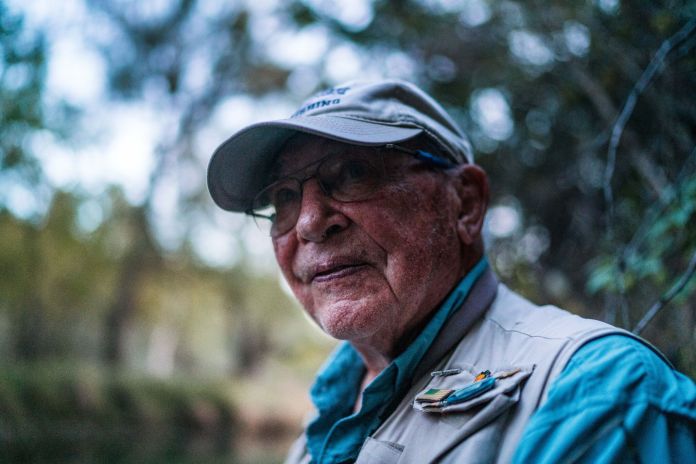
Faces of Fly Fishing: Joe Humphreys

In anticipation of the worldwide release of the inspiring documentary, “Live The Stream: The Story of Joe Humphreys” Flylords had the honor of spending a few days with Joe, exploring the story of this legendary angler, philanthropist, and teacher. During this time, we were allowed an inside look into the life of an angler who has helped to develop the sport of fly fishing and who has dedicated his life to establishing the values the fly fishing community holds dear today. 

In order to watch his feature documentary as soon as it is released (SVOD, Blu-ray, DVD and more), make sure to check out Live the Stream’s website, or click HERE to pre-order on iTunes for your copy of Joe’s once in a lifetime story. Also, follow Joe Humphreys and Live The Stream on Instagram and Facebook

Flylords: Who is Joe Humphreys?

Joe: I am a 90-year-old man who has lived a, I guess, most unusual life. I’d like to think that through all of the adventures I’ve had, I’ve had a chance to give a message to so many people towards the preservation of our environment. My goal is, this is what we have to do, we have to save it. So, I think maybe the good Lord has put me in this situation where, working through him, I’ve done some good.

joe humphreys

Flylords: How did you first get into Fly Fishing?

Joe: When I was six years old my father took me fishing. He was a novice, we both were naturally, but it was a sport that I ended up loving and it’s an activity that has brought so much happiness, and so much wealth; Not financial wealth, but spiritual wealth, and ever since it’s given me a life of adventure.

joe and friends

Flylords: For somebody who has never picked up a fly rod before, can you give them a reason to start?

Joe: Fly fishing is such a beautiful sport and such an art form. It’s something that anybody can do. There are so many aspects of this a beautiful game, and it’s an exciting challenge.  For somebody to take a fly line, attach a fly to the leader from the line, make the cast, and catch a trout? What a wonderful thing.

joe and a trout

Flylords: as a Hall of Fame wrestler and past wrestling coach for Penn State University, how could you compare wrestling to fly fishing?

Joe: Wrestling and fly fishing? They’re both physical sports. Secondly, the technique is so important. When you’re wrestling you have to set up your takedowns, you’ve got to move your opponent. On the bottom, you’ve got to be explosive. There’s technique and smarts involved, fly fishing is the same thing. You have techniques, you have to adjust when you’re fishing dry flies. You have to have great fly control so that the fly will float perfectly, drag-free. When you’re nymphing you have to make that tough cast at a distance so you can have line control and get the nymph to the bottom. You really have to respect techniques in both aspects of both games.

Joe wrestling
Joe Humphreys (Bottom) Wrestling for Penn State University in 1956. Image courtesy of Live the Stream

Flylords: let’s talk about your movie, “Live the Stream: The Story of Joe Humphreys”. How did this whole project begin?

Joe: Lucas (Director/ Cinematographer) came into my life when I was teaching at Penn State University. He had been putting together a video project for his film class called Penn State Fly Fishing, and asked me if I would help him. I said, “Well, certainly.” So, I did help him and he did extremely well. I think he got an A in the course. Then, maybe 15 years later, he came to me at Lancaster when I was doing a fly fishing show and said, “Would you like to be the subject of Nomadic Studio’s first film on fly fishing?”, and I said, “Yes, I think it would be wonderful.” So as we started to work together, with his wife Meigan, as we’re doing now (interviews by the hour) it was stressful at times, but it was exciting. We filmed over 3 years.

Joe and his crew

Flylords: Over the last few years you let Lucas (Director/Cinematographer), Meigan (Director/ EP), and Alex (Producer) into your life. What was it like working with them for so long, and what was it like letting these people into your life to tell your story?

Joe: It was, here again, a wonderful adventure. There was a lot of bonding and a lot of excitement; a lot of great days on the stream, success, and failures; but with their expertise and their knowledge of production… I was in awe. When it all came forth it was a thing of beauty. I was not only in awe of these two (Lucas and Meigan), I just fell in love with them. We’re family and I’ll never be without them.

Joe and Nomadic
Pictured (left to right): Alex Gasowski, Joe Humphreys, Lucas Bell, Meigan Bell

Flylords: That’s amazing. What do you think about the film, and why do you think somebody should go watch it?

Joe: I think the film has a lot to offer. There’s a message of protecting our environment and what we have to do to preserve it for future generations. One of my favorite subjects, and one thing that I’ve been working so hard on for many years is the restoration of Thompson Run. We made so much progress that has been highlighted throughout the film. There is also the fishing aspect. Have I helped people in this film? Have they watched what I do? Have I given them instruction as a mentor, and are they learning techniques and methods?  I hope so. And are they enjoying the thrill of catching fish? I like to hope so, too. I also think anyone can appreciate this film because it shows the importance of camaraderie and family not only in the fly fishing game but in life itself. 

updated pin


Flylords: What do you think was your favorite part of the film?

Joe: So, there are so many aspects to this film. Meigan and Lucas, the Directors, have done a wonderful job. From the winter scene to the fireside fly tying scene and a Green Drake hatch that we were lucky to get on film, I have so many favorite scenes in the film but I don’t want to give too much away. You’ll have to see it for yourself.

joe fishing

Flylords: Is it true you invented the “bow and arrow cast?”

Joe: A lot of people say, “Well, yeah. The bow and arrow cast. Oh, I’ve done that.” Well, I’m 90. The gentleman that just said, “Oh, I do that.” He wasn’t born yet, nor was his mother. Who knows?! Maybe the Macedonians created it but I’ve been perfecting the bow and arrow cast since the early 1930s and I like to think there are some things I’ve contributed to this game.

Flylords: Can you tell us a little more about this signature cast and how it came to be?

Joe: The bow and arrow cast came to me as a child. I was walking and pursuing brook trout out in the mountains when I was a very tender age. All through my early experience, there was nobody to show me or tell me what to do. We had in this area very few fly fishermen. Necessity is the mother of invention, so there were times when I was on a trout stream that I would make a little flip cast, get the line in the water, and then kick out a line into the currents to place the fly where it had to go. But then, when the water started to drop and there was clarity, those fish fled if I moved the rod around. So, then I learned to get a hold of the line, bend the rod, and basically create a bow and arrow cast.

bow and arrow cast

Flylords: I know night fishing is a really big love of yours. What makes you love it so much? 

Joe: There’s a sense of excitement at night. It’s like the ambiance of the night itself. The sounds of the crickets, the frogs, the noise… it inspires me. To look at the heavens above with all the stars and the moon. I also like it pitch dark because that’s when the big fish really feed. Big trout have excellent vision, but at night it’s not as acute as daytime. So, when I’m working them, I have big wet flies. The pusher types. I commonly use the George Harvey Pusher fly, my own stonefly night flies, or my sculpin patterns. I will cast on top on occasion. Sometimes I’ll go on top just to hear the explosion of a big take. But, I have always felt that the big fish would rather just trap their food underwater and make it easier for themselves.

night fishing
Humphreys night sculpin fly

Flylords: You were night fishing when you caught your state record brown trout. Could you tell us a little bit about that story? 

Joe: I caught the Pennsylvania state record brown trout in 1976. I was fishing this patch of stream in 1974 and I heard a mighty explosion. I thought maybe a deer had jumped into the stream. But then, it went quiet, and I knew that it was a fish. That started my quest. Then, after working this stretch for a few years now in pursuit of this fish, I landed a 26″ trout in that area. I was on a high, and the next night I got a call from my friend Al. He said, “Hump, I’m sick of watching television. Go fishing tonight. I just want to tag along.”

After a few hours in light rain, I had caught a few good-sized fish. It was 1 am and Al wanted to go home. I said, “Just give me one more shot.” I made the cast back under the brush to the far side. I swang two heavy night flies, then the rod stopped. I felt the take. I set the hooks and it was like somebody turned over a washtub. It just was a huge explosion. The fish ran down to a fallen tree. I had a heavy leader and I stopped the run, then worked the trout back to me.

I didn’t have a net, but a net wouldn’t have got that fish in. So, I finally got the fish in front of me. I threw the rod down, jumped in the water, got both arms under him, and threw him up on the bank. Al and I were on our knees looking at that fish and he says, “I’ve never seen a fish this big in my life.” And I said, “Neither have I.” And he says, “Is this a record?” And I said, “It is to me.”

It was 4am and I called up the warden. He said, “Why are you getting me out of bed? Are you in trouble?” I replied “no” and told him I had a fish for him to see. When he saw the fish he looked at me and said, “You’ve got the new record, 34 inches”. We are very lucky in that you can see all of this in the film.

joe record trout
Image courtesy of Live the Stream

Flylords: At 90 years young, what’s your secret to your longevity?

Joe: Always have something exciting to look forward to. All the time. Every day, I have something exciting to look forward to the next day.

joe and car

“Live the Stream: The Story of Joe Humphreys” is now available for pre-order on iTunes. Watch out for the worldwide release of this documentary on November 5th across all digital platforms – SVOD, DVD, Blu-ray, and more. Sign up for updates on all LTS film info at their official site.

Don’t miss the inspiring life story of Pennsylvania’s fly fishing legend, Joe Humphreys: a man who was born to fly fish, lives to teach, and strives to pass on a respect for our local waters. A visually stunning film, anyone with a pulse can appreciate Joe’s contagious spirit and, at 86-years-young, trout streams are his fountains of youth.  This is an emotion-packed adventure and Joe will catch your heart in this powerful tale of tenacity, life and love. Follow Live the Stream on Instagram and Facebook.

live the stream poster
Image courtesy of Live the Stream

Flylords would like to thank Joe and his family, as well as Nomadic Studio for welcoming us on the stream with Joe and the Nomadic crew. Feel free to follow Nomadic at @NomadicStudio on Instagram for some exclusive Live The Stream and Joe Humphreys content in the coming weeks – stay tuned!

Another special thank you to Black Mountain Cinema, in aiding in capturing these adventures.

Article written by Flylords Team member Wills Donaldson

https://theflylords.com/2019/08/16/faces-of-fly-fishing-derek-olthuis/

https://theflylords.com/2019/07/18/5-easy-tips-to-improve-your-bow-and-arrow-cast/