In this week’s segment of Video of the Week, we take a look at Backwater Fly-fishing’s crazy fishing adventures in and around Costa Rica. From crazy eats to pure disheartening refusals the boys experience it all. Enjoy as we follow Jesse Males, Federico Hample, Mark Evans, Tom Enderlin, Micah Baly, & Kevin J’s crazy footage of Roosterfish, Blue trevally, a monster dock dwelling snapper, and many other crazy inshore species willing to eat a fly.
Jesse is a Florida native that resides in Costa Rica guiding out of 506 outdoors outfitters check out more of his stuff here:
After a very successful virtual release earlier this spring, the Fly Fishing Film Tour has announced several in-person screenings being offered by their network of affiliate and independent promoters.
So far only five screening weekends have been announced, and we will update this list if more are released.
May 14 – Whiteface Region Vistors Bureau, Wilmington, NY
From a weather perspective, drought and historic wildfires became regular occurrences over the past several years. Exacerbated by climate change, these weather events are increasing in frequency and intensity. For the American West, and its cold-water ecosystems, these changing weather trends are having profound and interrelated impacts. Trout are vulnerable species, and thus often viewed as a canary in the coal mine species. When trout species are healthy, their ecosystems are generally healthy and functioning as they should. The opposite holds true, too. So, you may ask, “how will these record droughts impact trout and fly fishing?”
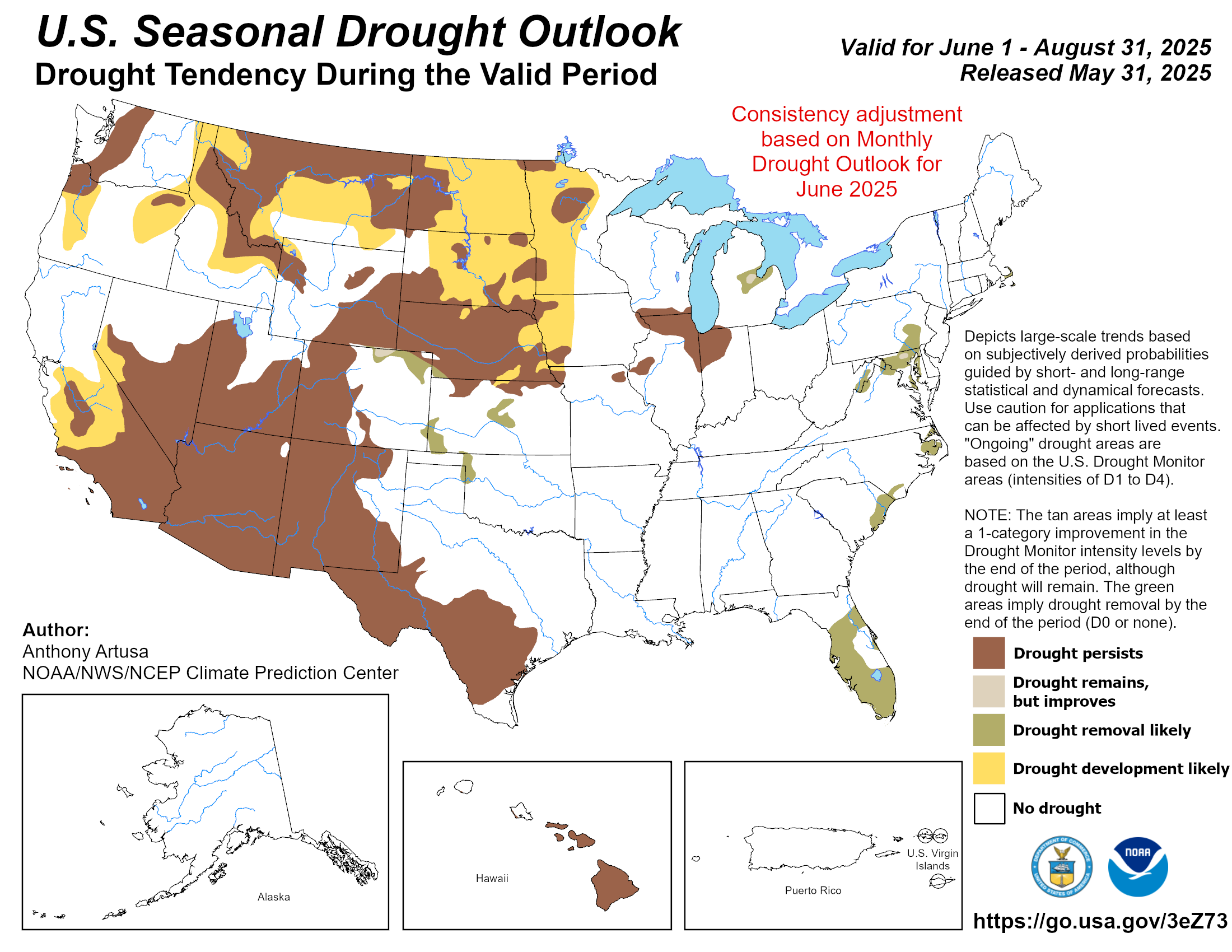
While many regions in the West are not experiencing drought, the majority is, which due to the interconnectedness of water has implications far and wide. Drought stresses both humans and natural resources, and intensifies competition for diminished water resources. Just look at California, for example, where water disputes are coming to a head and will result in contentious legal fights among a range of water users. And, “forecasts from the NOAA Climate Prediction Center suggest that conditions in the West won’t get better any time soon. According to NOAA climatologists, hot and dry weather is expected through late October.” Follow along, as we dive into the intertwined implications of “the worst drought in modern history.”
Droughts are not solely characterized by the lack of rain. Winter snow accumulation is an important component of droughts or lack thereof, especially in the mountainous West. A region’s snowpack, or compressed layers of snow and ice that persist for extended periods, represents a critical resource for cold-water habitats. Adequate snowpack provides cold-water habitats with consistent water supply and levels of dissolved oxygen, a necessity of aquatic life, throughout hot summers. Additionally, snowpack levels and the subsequent melt-off maintain a watershed’s moisture content, an important natural defense for wildfires. “So that snowmelt provides a gradual source of moisture, keeping those fuels in our forested areas wet later into the spring and early summer. And so when we don’t have the snowpack in place, when we have a subpar snowpack, those fuels are allowed to green up and actually dry out earlier in the year,” said John Abatzoglou of Cal Fire.
“Since 1915, the average snowpack in western states has declined by between 15 and 30 percent,” according to a 2018 Oregon Climate Change Research Institute study. As droughts persist, and snowpack decreases, some of our favorite trout fisheries in the West will become more and more threatened. Most species of trout require five to six times more dissolved oxygen when water temperatures reach 75 degrees compared to when they are at 41 degrees.” The impacts of diminished snowpack, low flows and warmer water temps, have serious impacts for trout and other cold-water fisheries and will continue being an essential consideration in fishery management processes in the future.
Not only can drought affect stream flows and levels, but its composition and level of habitableness are closely connected to prolonged periods of drought. For example, in drought conditions, consistent and cold water is scarcer, which has the effect of increasing stream temperature, stressing native aquatic species, and altering water composition.
When water temperatures rise and flows decrease, trout species are often forced to seek sanctuary in the system’s deeper pools. “If fish are forced to take refuge in decreasing and/ or isolated pools of water, they become easier targets for their prey, such as osprey and heron,” not to mention fishermen and women. Most trout anglers understand this, and many fly shops will tell you when local streams are too warm or low to sustainably fish.
The above example is obvious, but other stream impacts of drought are less mainstream, no pun intended, and more complex. When a watershed is experiencing prolonged and intense drought conditions, the surrounding land and dirt harden (worsened by intense wildfire), essentially creating an impervious surface that efficiently transport sediment–runoff. “Instead of water percolating into subsurface areas of the soil, most of the water directly runs off and flows into the streams. The excessive runoff has a lot of energy as it flows downstream, and it causes massive erosion events and carries huge volumes of sediment and ash into the stream channels.”
Sediment can have positive impacts for streams and rivers, including replenishing banks and sandbars or transporting nutrients downriver. However, sedimentation is more often viewed and interacts in aquatic habitats as a harmful pollutant. “Precipitation, flow and turbidity data revealed monsoon rain events delivered sediments into the Rio Grande and its tributaries from steep, severely burned hillslopes. The monsoon events caused acute and dramatic fish kills, where hundreds of trout were reported killed in one tributary in a single day event,” according to a water quality study on the Upper Rio Grande River.
Firefighters working along Dunraven Glade Rd, Cameron Peak Fire, October 17, Inciweb
Wildfires
As you’ve gathered by now–the impacts of droughts are incredibly interconnected and often exacerbate other impacts. Droughts leave higher elevations with less snowpack, which brings less cold water into a watershed, which has negative effects on trout and aquatic habitats. It also promotes and intensifies wildfires, which have harmful effects on stream and river environments. Last year marked dozens of record wildfires throughout the West, and this year may mark another “devastating fire season.”
While harmful sedimentation can occur in functioning watersheds, or those afflicted by drought, it is even more intense in areas scorched by wildfires. After a wildfire, the bare and hardened soil is amazingly efficient at transporting sediment and ash into waterways. “These ash-ladened flood events sometimes last for years and are often sufficient to wipe out any remaining fish. Ecologically, these events reset the entire stream system, the forest is essentially burned and then the entire stream network is change.”
In addition, watersheds that experience intense wildfires face harmful nutrient pollution. After a wildfire, in-stream nutrient levels–such as nitrogen, phosphorus, and potassium which feed plankton and algae–can skyrocket. “Excess amounts of these nutrients can cause algae blooms, which, when alive, decrease light penetration and, when dead and decomposing, decrease amounts of dissolved oxygen,” a requirement for trout and healthy streams.
The Colorado River Basin is experiencing a ‘Megadrought,’ drought.gov.
Despite this year expected to be the worst drought in modern history and a devastating wildfire season, watersheds are remarkably resilient. Droughts and wildfires are not new phenomenons; they have occurred naturally for thousands of years. But what we are experiencing more recently are extreme weather events in comparison. Regardless, the affected watersheds have exhibited remarkable strength and restorative properties. For example, a 2018 study found that amid “notable short-term drought impacts to trout and salamanders in 2015, populations recovered to pre-drought conditions within two years in all but the smallest stream.” While this is a promising finding, droughts, wildfires, and all the connected impacts are becoming more frequent, longer, and stronger with climate change.
As drought conditions worsen this year, it is all the more important to consider your impact on hyper-stressed ecosystems. Pay attention to local fire warnings and, when in doubt, just don’t light that roaring campfire. Even little things, like a hot car muffler, can start a wildfire. Keep an eye on in-stream temperatures–if water temps are warmer than 67 degrees, STOP FISHING! Droughts, wildfires, and climate change continue to have complex and profound impacts on our waterways and environments. As anglers, it is important that we do our part to lessen our impact and protect our cherished fisheries and resources.
Shortly after noon on April 27 a tanker truck carrying approximately 8,000 gallons of gasoline overturned onto the highway spilling its contents into North St. Vrain Creek. Shortly after, the EPA released a statement stating they were unsure of how much of the total fuel had entered the water, but estimated that somewhere between 500-1000 gallons had likely leaked into the creek on Apple Valley Rd. The effects of that spill were immediately felt by the trout living in that watershed resulting in a large-scale fish kill. So large in fact, that Colorado Parks and Wildlife said they would have to use “statistically valid methods” to accurately estimate the losses due to the widespread scale of the spill.
More recently, the EPA has stated that there are “free-flowing pockets of gasoline were found moving beneath the ground, countering their previous claim that they believed there were “no lingering effects” of the remnant leaked fuel.
CPW is asking anglers and river stewards in the area to keep an eye out for fish kills and to please take images and report them. You can do that by sending the report and media to LyonsFishInfo@state.co.us.
In this week’s “How to Tie†video feature, Svend Diesel gives us a great tutorial on how to tie the Simple Streamer Fly.
Learn About This Fly:
Difficulty: Novice
If you are new to fly tying and want to tie some effective yet easy streamers, this is the fly for you. The “Simple Streamer” as it is coined, is just that – simple. The reason this tie is so easy is due to minimal materials being needed to achieve this life-like creation. While the fly looks odd at first, it is extremely effective in the water. Don’t let its looks fool you.
Depending on how you want the fly to ride will depend on how you tie the lead eyes in. If you want the fly to ride hook point up, you’ll tie the lead eyes on top. The eyes are tied on the bottom of the shank if you want the fly to ride hook point down. Over-under wraps are a perfect way to secure the lead eyes to the hook shank. This fly is tied with two of the most important colors of marabou, Olive and White. You can’t go wrong if you have these two ingredients in your tying arsenal.
While most streamers are tied with chenille or polar flash, this streamer is tied with FNF Creeper wrap. This unique body material adds a very life-like look to the streamer as the long stringy fibers flutter in the current. No matter what body material you are using, make sure to wrap it as tight and as full as you can to create a nice bump for the head to sit on. Feel free to add your finishing touches to the fly. Svend uses sharpie to add barring and color to the head but use your creativity and make this fly as life-like as you’d like. Secure everything with super glue or a similar product to ensure the streamer’s longevity and you’re set.
Ingredients:
Hook: Ahrex Hooks TP615 sizes 1/0-4
Thread: Semperfli waxed thread 6/0
Eyes: Lead eyes for weight, medium or large. Can also use brass eyes or bead chain Tail and
Head: Natures Spirit Fly Tying​ fish hunter marabou in white UV and sculpin olive
Body: FNF Creeper in White
Other Tools: Sharpie, UV resin, Z-Ment (Super glue)
With a slogan like, “Drink Beer Outside”, it’s no surprise that a fly-fishing-focused beer from 10 Barrel Brewing was coming soon. With the release of Reel Good Summer Ale, the Bend, OR brewery has teamed up with Simms to create a delicious brew benefiting TU’s Home Rivers Initiative.
From 10 Barrel Brewing & Simms Fishing Products:
Bend-based 10 Barrel Brewing and Bozeman-based Simms Fishing Products are proud to announce a collaborative beer and the latest edition to 10 Barrel’s #drinkitforward program, Reel Good Summer Ale. As with all of 10 Barrel’s Give Back beers a portion of the proceeds from Reel Good benefit Trout Unlimited’s Home Rivers Initiative focussed on the Gallatin River, a project that Simms’ has largely supported since late last year.
Reel Good is a Kolsch-style Summer Ale brewed using traditional methods and subtle Champagne-like fermentation that boasts a clean, crisp, and balanced taste that pairs perfectly with long sunny days on the water.
“The conversation between Simms and 10 Barrel started back in August and we’re thrilled to finally watch this project come to life,†said Strick Walker, Chief Marketing Officer at Simms. “Working with 10 Barrel has been fantastic and we’re really looking forward to utilizing this partnership to shed more light on conservation efforts and initiatives we have going on right here in our own backyard of Bozeman, Montana.â€
With a majority of Simms products inspired by and tested on local Montana rivers such as the Gallatin, this charitable component is extremely important to both brands and their respective efforts to give back to the places we play.
For home and/or riverside enjoyment, Reel Good will be available at major grocery chains and will also be available on tap at pubs and restaurants throughout most western and mountain states. To locate Reel Good distributors, consumers can utilize 10 Barrel’s Beer Finder here.
“At 10 Barrel, we’ve been fortunate to have worked with some of the most notable brands, athletes, and media outlets in the outdoor industry. When we started concepting this lightweight, easy-drinking summer ale, we thought Simms would be the perfect partner†said Andy Goggins, Marketing Director of 10 Barrel. “We all love to get out on the rivers, fish, and finish it off at the end of the day with a perfect complement—a Reel Good. The collaboration between 10 Barrel, Simms, and enjoying life on the river provides perfect synergy. We’re also excited to collaborate with Trout Unlimited with a percentage of all sales benefitting the Home Rivers initiative.â€
Have you ever purchased a batch of flies online only to realize they aren’t at all the quality you expected and paid for? This can often be the case as flies are tied quickly when sold in batches and quality may be sacrificed. Believe it or not, the way a fly looks can make or break your fishing trip. In this tips and tricks video of the week, In The Riffle demonstrates how to prep your flies and get them ready for the river.
Prepping your Flies for the River
Often times, dry flies come with too much material. Maybe the poly-yarn on your Adams is too thick, or maybe the tail of the fly is too full. Maybe your flies look bland and need some finishing touches. This leads us into our tips for the week.
Tip #1: Trim and Tidy up Factory Flies
Don’t be afraid to give your flies a haircut. Factory flies can be messy and often need some handy work.
Use your tying scissors to trim any hackle fibers, tail fibers, poly-yarn, etc. to make the fly look more life-like and less like an eyesore.
Take your scissors with you on the river as well. You never know when you’ll need to make adjustments on the water.
Tip #2: Add Some Spice to your Factory Flies
As mentioned previously, factory flies may come looking a little bland. Lucky for you, there is plenty of room to make adjustments. Loon Outdoors makes colored UV Resins which are perfect for adding hot spots or life-like touches to your flies.
Use Red colored resin to add an attractor or hot spot to your flies. Green can be a nice touch to add to the butt of nymph to represent an emerging caddis.
Carry your resins with you on the water, you will be surprised how much of a difference this can make.
Sharpies work just as well if resins aren’t available.
Tip#3: Use Velcro to Spruce up your Dubbing
Often after repeated use, dubbing can get matted or worn down. Using a small piece of Velcro can bring life back to your fly with just a few swipes.
Use the Velcro to pick the dubbing fibers out to bring back a more realistic appeal.
You can find Velcro at your local craft store along with tongue depressors. Attach the Velcro to the tongue depressor and put it in your pack and you’re set for your next trip.
Tip #4: Repair Deer Hair with Super Glue
After a long day of fishing, your flies take a beating. Dry flies that use deer or elk hair heads often go through the ringer. Super glue is an easy fix for this.
Apply a small dab of super glue to your flies and allow it to seep in and cover the fibers completely. Remember less is more.
Those broken fibers will become strong again with a thin coating of super glue. Throw a bottle in your pack for your next outing, you won’t regret it.
There you have it, 4 quick and easy tips to improve the look and use of your flies on the river. These are the types of products that often stay at the tying bench but having them on you in person is a game changer. Give it a try and best of luck!
For more information and tips, check out In The Riffle by clicking here.
Many fly anglers dream of far-off destinations like the Seychelles, Christmas Island, or even a float down the Madison. These trips can be costly and there’s likely a great adventure right around the corner. Knowing how to effectively and comfortably plan the perfect multi-day fishing adventure is easier than it seems. With proper planning and the right gear, you can have an adventure of your very own, right in your backyard.
Know Where You’re Going:
The most successful trips come to those who are prepared. Before you even put your keys in the car’s ignition, do some research on where you’re heading. Whether you’re e-scouting or (in our opinion: the better option) getting some tips from a buddy or local fly shop/ outfitter – you always want to have your wits about you before you’re out of signal. Some things to check off before you go include:
Access Points
Parking
Camping friendly areas (if they are established campgrounds, bring some cash or buy a permit in advance)
Fire regulations
Proximity to the body of water you’re planning on fishing
(arguably the most important) The Weather
Locate Your Campsite:
The first consideration in planning the perfect fishing adventure is finding the ultimate location. State parks, national forests, BLM land, and dispersed camping are options available in most states to some degree or another. It’s important to consider that the easier it is to find information about a place, the more crowds you’re likely to run into.Â
Road Maps work great too…. Just make sure you know how to read one.
Using resources like National Geographic’s free topographic maps, Google Earth, Delorme’s Atlas & Gazetteers, and state fish & game websites will help you find a suitable campsite near your favorite waters. Many campsites can be accessed for free or a nominal fee but be sure to check your local regulations.Â
Setting Up Camp
Once you’ve found a nice flat spot to spend the night, go ahead and start setting up. Whether your car camping or sleeping under the stars, having the proper gear can make or break a trip. There are a few key camping essentials that we don’t leave home without.Â
Tents:
A quality tent is a must unless you opt for some form of car camping. Looking to get away with that special someone? Consider a cozy 2 person option like the Kelty Wireless 3-season tent. Planning to party it up with friends? A larger option like the Marmot Torreya Tent: 6-Person 3-Season tent may suit you better. Regardless, a quality tent equipped with a rainfly is a must for any multi-day adventure.Â
Sleeping Bags/Sleeping Pads:
Once you’ve staked your tent it’s time to get comfortable. A sleeping mat is a must whether you’re sleeping on the ground or in a car. Two primary types of sleeping mats are available including foam pads like the Therma-a-Rest Z Lite SOL Sleeping Pad or inflatable pads like Eureka Singlis ST.Â
Either option above will surely enhance your sleep, however inflatable pads tend to provide more support under a sleeping bag. When selecting a sleeping bag, filler material choice is important depending on your intended use and budget. Synthetic fillers are cheap but tend to be heavier and less insulating than natural down filling.S taying warm will be a forgotten worry when you’re sleeping in the Mountain Hardware Bozeman 15 sleeping bag atop your sleeping pad. Rest assured of a good night’s sleep when you start your adventure with a quality sleeping pad and sleeping bag.Â
Food Prep/Storage:
Now that you have a place to rest your head after drinking a few too many around the campfire, you’ll want to outfit your campsite with a few key “comfort†items. A camp stove like the MSR Pocket Rocket 2 is a true workhorse capable of brewing a hot cup of coffee in the morning to cure a hangover and also boiling a pot of water in a flash for dehydrated meals, soups, and more.
Keeping food and drinks cold can be a challenge while exploring for extended periods of time. Enter the YETI Tundra 45 Cooler, another campsite staple cable of keeping your beers cold for days. Don’t worry about food spoiling either when you’re equipped with this cooler.Â
Remember, do your research on the areas surrounding wildlife beforehand. In areas with dense bear populations, make sure to equip properly. Whether that’s supplies to hang food in trees, or bear-proof food storage: the last thing you want is for your tent to turn into a wild animals lunch.
Getting Ready to Hit the Water:
Now’s time for the fun part. Depending on your location; the river, lake, or puddle that you’re planning on tossing a line in, may be next to your campsite, or a few miles away. Regardless, you want to make sure you’ve got the right gear for the job, that way once it comes time to dance with that first underwater denizen – the only thing that keeps that fish from the net is your own bumbling coordination (or lack thereof).
Of course, before you go, make sure you’ve got an understanding of the local water. The 3 essentials are as follows:
Fishing regulations: These can be found with a quick Google search, and will not only keep you out of trouble but are set in place to protect the fishery.
Understanding of Private v. Public Land: Nowadays, it’s pretty easy to access apps like OnX to scout private land boundaries. For the most part, just keep far away from posted signs, and if you do find yourself accidentally trespassing – make haste and backtrack. Some landowners are less forgiving than others, and you don’t want to be around to figure out who you’re dealing with.
Buy a fishing license: The most important thing to remember, and something that’s easy to forget. If you haven’t yet or are crossing state lines – buy a damn license. Not only does it keep the fishery alive and accessible, but it keeps you from massive fines, confiscated gear, and potential jail time. Think of it this way: would you rather spend $20 on a weekend license, or $2 grand and a couple of days in jail after getting caught without one. Don’t know where to get one? Call a local fly shop, or Google it.
Fly Fishing Gear
Now that you’ve established your comfortable campsite, its time to explore the waters you came here for in the first place. Reliable gear is just as important on the water as it is at the campsite. This year, we’re turning to the new Backcountry x Simms Flyweight collection exclusively sold by Backcountry.com. Available in mens and womens, this collection includes waders, jackets, hats, a sling pack, and wader tote. The Backcountry x Simms Flyweight collection is designed to take the modern angler further.
The brand new Backcountry x Simms Flyweight Stockingfoot Pant+ Wader are a technical piece of equipment destined for exploring your favorite waters and pushing to reach new limits when the itch strikes. The Backcountry x Simms Flyweight Stockingfoot Pant+ Wader are backed by years of Simms engineering and design.Â
These waders are made of GORE-TEX and have a 3-layer upper and 4-layer lower for added durability. The Stockingfoot Pant+ Waders also uniquely feature self-draining thigh pockets to keep your essentials at the ready. The Hex Air gravel guards will keep debris from getting in your boots trekking to that honey hole.Â
Be prepared for drizzly mornings and afternoon squalls with the Backcountry x Simms Flyweight Technical Shell Jacket. This uni-sex Backcountry Exclusive jacket is perfect for fly fishing and trekking adventures.Â
Made of GORE-TEX Paclite material, this jacket neatly packs into its zippered pocket when not in use. The mesh chest pocket secures tools, tippet, or even a small fly box. The lightweight and flexible GORE-TEX is designed to move with you through a long day of fishing. Most importantly, this jacket won’t slow you down.Â
The Simms Flyweight Wading Boots are the perfect compliment to the new Backcountry X Simms Flyweight collection of technical gear. The Simms Flyweight Wading Boots have been the go-to boot for anglers looking for a lightweight wading boot capable of longer hikes that still provide the traction and stability needed for a day on the water. Perfect for exploring your backyard.
As always, any perfect fishing adventure requires a trusty fly rod, reel, and a fly box full of local patterns. If you plan to explore beyond your normal waters, be sure to consult a local fly shop for advice. It’s important to remember that anytime you get free advice from a shop that you should also patronize the business by buying some “hot†local flies or some new leaders.
Time to Plan Your Perfect Backyard Fishing Adventure
Now that you’ve got the gear, the rest is up to you. No matter where you live, adventure is always an hour or two away – and with the right know-how, you can make sure it’s one you’ll never forget. Take into account all the tips above, but most importantly, have fun. The weather might be a little cold, and the fishing may not be so hot, but as long as you’re exploring the great outdoors: there’s always fun to be found.
Taking inventory of your camping essentials prior to starting your adventure is a must. If you’re new to camping or are in need of assistance purchasing your next piece of gear, the knowledgeable staff at Backcountry.com are sure to help you out. With your campsite established and your wading apparel updated, you’ll be ready to tackle any adventure you set your mind to.
If you’ve been fishing for any amount of time, there’s a good chance you’ve encountered fly rod ferrules that refuse to come apart. If you need to break your rod down to travel or for storage purposes but just can’t get it apart, the following 4 methods may do the trick. Other times, your situation might be as bad as the folks from Fly Fishing Nation and Alphonse Fishing Company and there’s not a whole lot you can do about it. Best of luck!
The first and easiest method to try is the “Behind the Knees” method. This method can be performed by one person in the field without any additional supplies. Start by placing the fly rod behind your knees with one hand on either side of the stuck fly rod sections. It’s important to have your hands on the outside of your knees. Lastly, grip the rod sections tight and move your knees in an outward motion. This should provide the extra force needed to separate the stuck sections. The video above from Rio Products demonstrates this method well at the 00:36 point the film.Â
2. Double Faced TapeÂ
If you’ve tried the behind the knees method described above but still cant separate your stuck fly rod ferrules, try applying double faced tape to both sections for additional grip. The double-faced tape allows you to twist and turn the sections and can also be used in conjunction with the “behind the knee” method for added efficacy. Be sure to check out the video above from Kelly Galloup and The Slide Inn.
3. Ice/Cold
Wrap the ferrule in a Ziplock bag full of ice for 10-15 minutes to shrink the male end of the ferrule for easy separation.
The last method to try by yourself is to get your fly rod ferrules cold, ice cold. This can be accomplished by leaving your rod outside overnight in the winter, storing it in a deep freezer for several hours, or by applying icepacks to the stuck ferrule(s). Holding an icepack or Ziplock bag full of ice cubes on the ferrules for 5-10min usually does the trick for me. This method causes the male ferrule to contract allowing you to separate the stuck sections.
4. Four-Hand Crossover Technique
If you’ve exhausted the three options above and still have stuck ferrules, consider asking a friend to help you with the “Four-Handed Crossover Techniqueâ€. Individuals should place one hand on each side of the stuck ferrule. Next, each person should pull their hands apart at the same time. Adding double-faced tape to the stuck sections as recommended by Kelly Galloup will provide additional grip while performing the Four-Handed Crossover method of separating stuck fly rode ferrules. Be sure to check out the video above from Pacific Fly Fishers for a detailed explanation.
Preventing Stuck Ferrules
Loon Graffitolin Ferrule Wax helps lubricate graphite rod ferrules for easy rod breakdown and to ensure a snug fit.
Once you’ve successfully separated your fly rod, considering applying ferrule wax to the male end of the ferrules before reassembling it. Not only will ferrule wax help lubricate your rod for easier disassembly, ferrule wax like Loon Gaffitolin Ferrule Wax, will also prevent your rod from separating on its own which could lead to cracked ferrules.
Hopefully one of the methods above or even a combination of a few techniques will help you separate stuck fly rod ferrules the next time you have the unfortunate happening.Â
Article by Evan Garda, he is on the Content Team here at Fly Lords. He can be found chasing trout throughout the west with his trusty fly rods. Check out his adventures at @evangarda.
In this week’s episode of Video of the week, we catch up with Wild Fly Productions, CJ Lord, and Nick Wittek in their attempt to fish new water for big fish amidst the spring runoff. It’s spring and as we all know weather tends to have a mind of its own. Rain can turn into a bluebird day and vice versa. Well, the boys had planned for rain but not nearly as much as they got. Their plan was to float a stretch of river and throw streamers but due to the rain, the river was blown out. So they made an audible and checked a tributary off of that river. So sit down and enjoy as the guys fish new water for new fish in hopes of getting into a giant!
Scottie also did a podcast with CJ talking about fish photography and targeting fish with Streamers. CJ has been primarily fishing streamers for quite a while and has developed a vast knowledge of how to fish them. Check out the podcast here: